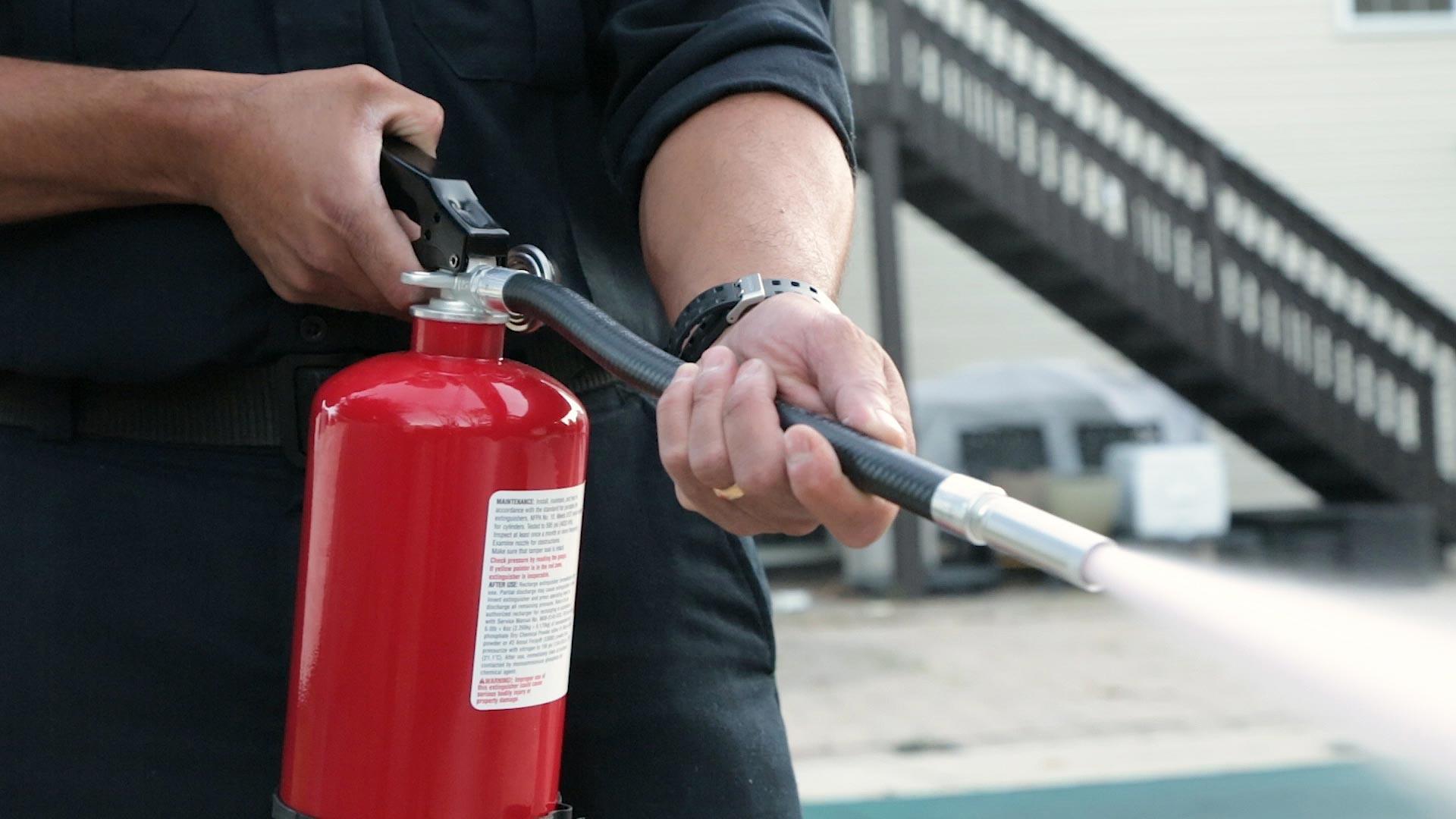
Emergency lighting and exits are critical components in ensuring the safety and security of building occupants in the event of an emergency. Properly maintained emergency systems are not only a regulatory requirement in many jurisdictions, but they also play a crucial role in safeguarding lives during unforeseen incidents such as fires or power outages. This article delves into the importance of maintaining emergency lighting and exits, outlining best practices, compliance standards, and the benefits of regular maintenance.
The Importance of Emergency Lighting and Exits
Emergency lighting and exit signs are vital for the safe evacuation of buildings. They serve to illuminate pathways and guide occupants to safety during emergencies. The key benefits include:
- Providing visibility during power failures or low-light conditions.
- Guiding occupants to the nearest exits quickly and safely.
- Reducing panic and confusion during an emergency evacuation.
Proper maintenance ensures these systems function effectively when needed. Explore further insights here to understand the critical nature of these safety measures.
Regulatory Compliance and Standards
Understanding Legal Requirements
Compliance with local and national regulations is mandatory for businesses and property owners. These regulations specify the installation, maintenance, and testing of emergency lighting and exits. Non-compliance can lead to significant legal liabilities and penalties. Find additional information here about the specific compliance requirements.
Key Compliance Standards
Some of the key standards and codes for emergency lighting and exits include:
- Regular testing and inspection intervals.
- Minimum illumination levels for emergency lights.
- Clear and visible signage for emergency exits.
- Routine maintenance to ensure functionality.
Learn more in this detailed guide about compliance standards that apply to different types of buildings and facilities.
Best Practices for Maintenance
Regular maintenance and testing play a pivotal role in ensuring the reliability of emergency lighting and exits. Consider the following best practices:
- Conduct routine checks and inspections to identify any faults or issues.
- Ensure that all exit signs are clearly visible and not obstructed by other objects.
- Replace batteries and light bulbs as part of regular maintenance schedules.
- Document all inspections and maintenance activities for compliance verification.
By adhering to these practices, building operators can ensure their safety systems are always in optimal condition. Read more about this topic to implement effective maintenance strategies.
Conclusion
Maintaining emergency lighting and exits is a crucial element of safety compliance and risk management. By understanding the importance of these systems, adhering to compliance standards, and implementing regular maintenance practices, building operators can significantly enhance the safety of their premises. As such, it is vital to stay informed about the latest standards and best practices, ensuring preparedness in the face of emergencies. Explore further insights here to stay updated on the latest in emergency lighting and exit maintenance.