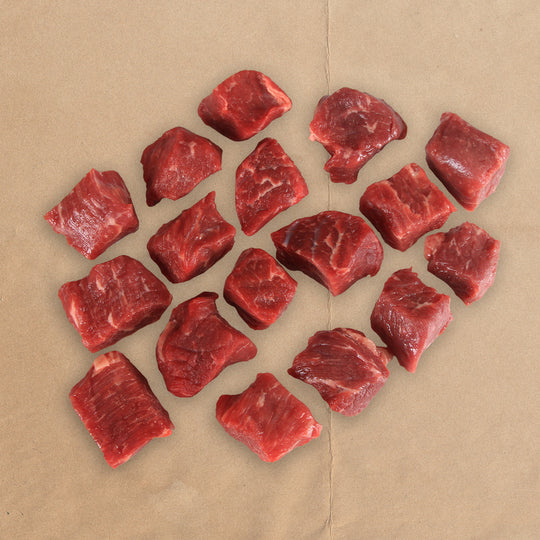
Exploring the world of beef offers an exciting adventure for culinary enthusiasts eager to expand their palates. While many are familiar with popular cuts like ribeye or filet mignon, diving into the realm of specialty beef cuts can elevate your cooking experience to new heights. These unique cuts not only provide distinct flavors and textures but also allow for a more sustainable approach to meat consumption by utilizing the entire animal. Understanding and experimenting with these lesser-known cuts can bring diversity and creativity to your culinary repertoire.
Understanding Specialty Cuts
Specialty beef cuts refer to those that are not typically found in mainstream markets. They often require specific cooking techniques to unlock their full potential. These cuts are prized for their unique characteristics and can be a cost-effective choice for those willing to explore beyond the conventional.
Popular Specialty Cuts
- Tri-Tip: Known for its triangular shape, this cut from the bottom of the sirloin is perfect for grilling. It offers a robust, beefy flavor and is best cooked to medium rare.
- Flat Iron Steak: This cut comes from the shoulder and is known for its tenderness and rich flavor. It’s ideal for grilling or broiling.
- Hanger Steak: Often referred to as the “butcher’s steak” because butchers would keep it for themselves, this cut is flavorful and best cooked quickly over high heat.
- Short Ribs: These are perfect for slow-cooking methods like braising, which break down the connective tissues, resulting in tender, flavorful meat.
Cooking Techniques for Specialty Cuts
Cooking specialty beef cuts requires an understanding of their unique attributes. Different cuts may demand distinct approaches to unlock their flavors and textures.
Grilling and Broiling
Cuts like tri-tip and flat iron steak benefit from direct, high-heat cooking methods such as grilling and broiling. These techniques enhance their natural flavors while creating a desirable char on the outside.
Braising and Slow Cooking
Cuts such as short ribs are ideal candidates for braising or slow cooking. These methods help tenderize tougher cuts, resulting in rich, savory dishes that melt in your mouth.
Pairing Specialty Cuts with Sides and Sauces
To complement the flavors of specialty beef cuts, consider pairing them with sides and sauces that enhance their natural qualities. Here are a few suggestions:
- Roasted Vegetables: The earthy flavors of roasted root vegetables pair beautifully with the robust taste of beef.
- Herb Butter: A compound butter made with fresh herbs can add a layer of richness to grilled cuts.
- Red Wine Reduction: This classic sauce is the perfect accompaniment to hanger steak, adding depth and complexity.
The Sustainable Choice
Choosing specialty cuts can contribute to a more sustainable approach to beef consumption. By utilizing the whole animal, culinary enthusiasts can minimize waste and enjoy a wider variety of flavors and textures. This approach not only supports ethical practices but also fosters a deeper appreciation for the art of butchery.
Conclusion
Embarking on a journey with specialty beef cuts can transform your culinary adventures. By understanding and experimenting with these unique cuts, one can discover a world of flavors and techniques that elevate home cooking. Whether grilling a tri-tip or braising short ribs, the exploration of specialty cuts promises a rewarding and delicious experience.