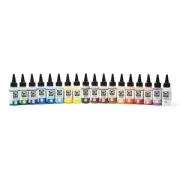
Windows serve as portals to the outside world, providing light and views that connect interior spaces with the outdoors. However, they also offer a canvas for creativity that can enhance the aesthetics of any room. Painting glass windows is an art form that not only adds color and design but can also increase privacy and control light. Choosing the right paint for windows glass is crucial to achieve the desired effect, durability, and finish. This article explores how to transform windows using the best paint options and techniques available.
Understanding Glass Paint Varieties
There are several types of paint to use on glass, each offering unique benefits and finishes. Selecting the right type depends on the desired outcome and the specific characteristics of the glass surface.
Types of Glass Paints
- Water-Based Acrylic Paints: Ideal for beginners, they are easy to use and clean up. Suitable for achieving a vibrant look.
- Solvent-Based Paints: Known for their durability and rich color, these paints adhere well to glass surfaces but require careful handling.
- Enamel Paints: Provide a glossy finish and are good for both decorative and functional pieces.
- Glass Metallic Paint: Offers a shimmering effect, perfect for adding a touch of elegance to glass projects.
Choosing the Best Paint for Glass Painting
When selecting the best paint for glass painting, consider factors such as the environment where the glass will be used and the level of durability required. For instance, windows in high-moisture areas may benefit from paints with higher resistance to humidity.
Key Considerations
- Durability: Choose paints that withstand environmental factors such as UV exposure and temperature changes.
- Transparency: Depending on the desired privacy level, opt for opaque or translucent finishes.
- Application Method: Some paints are better suited for brush application, while others are ideal for spray techniques.
Techniques for Painting Glass Windows
The process of painting glass windows can vary according to the type of glass painting supplies and the complexity of the design. Here are some basic steps to follow:
Preparation
- Clean the Glass: Ensure the glass surface is free of dust, dirt, and grease. A clean surface ensures better paint adhesion.
- Masking: Use masking tape to protect areas that should not be painted.
Application
- Base Coat: Apply a base coat if a solid background is needed.
- Design: Use stencils or freehand techniques to create the desired design.
- Layering: For more complex designs, apply paint in layers, allowing each to dry before adding the next.
Finishing Touches
- Sealing: Apply a sealant to protect the paint and enhance its longevity.
- Drying: Allow sufficient drying time before handling the glass.
Conclusion
Transforming windows with the right paint for glass art can significantly alter the ambiance of a space. Whether the goal is to add a decorative touch or to enhance privacy, selecting the appropriate supplies for glass painting is essential for achieving long-lasting and visually appealing results. With the right materials and techniques, any window can become a masterpiece of glass art.