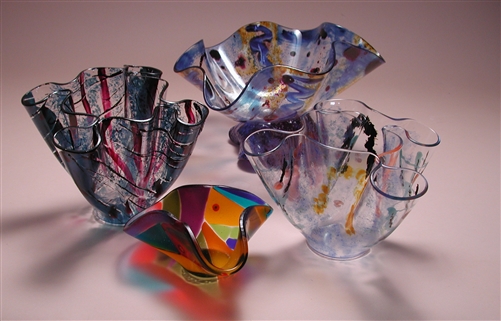
Transforming ordinary glass into stunning works of art is a captivating process that requires both skill and creativity. One of the most fascinating techniques in this realm is glass slumping. This method allows artists to shape glass into a variety of forms by heating it until it becomes pliable and then allowing it to conform to a mold. The process is a blend of science and artistry, offering endless possibilities for creative expression. This article delves into the nuances of glass slumping, highlighting innovative methods and techniques that can elevate glass art to new heights.
The Basics of Glass Slumping
Glass slumping involves carefully heating glass in a kiln until it softens enough to slump into or over a mold. The art of slumping is not only about achieving a desired shape but also about maintaining the integrity of the glass. Understanding the fundamentals is crucial for anyone looking to master this technique.
Essential Tools and Materials
- Kiln: A reliable kiln is imperative for controlling the precise temperatures needed for slumping.
- Molds: Available in various shapes and sizes, molds dictate the final shape of the glass piece.
- Glass: Various types of glass, including sheet glass and frit, can be used depending on the desired effect.
- Safety Gear: Protective eyewear and gloves are essential to ensure safety during the process.
For a more comprehensive understanding of the materials and tools, discover expert strategies here.
Innovative Techniques in Glass Slumping
While traditional slumping techniques remain popular, contemporary artists are continually experimenting with new methods to push the boundaries of what’s possible with glass. Some innovative approaches include:
Layering and Texturing
- Layering: By layering different colors and types of glass, artists can create intricate patterns and designs that add depth and complexity to their work.
- Texturing: Introducing textures through the use of specialized molds or by adding materials such as frit can result in unique surface finishes.
These techniques allow artists to create pieces that are not only visually stunning but also tactilely engaging. Explore advanced guides and tips on achieving these effects.
Advanced Slumping Forms
Advanced slumping techniques involve manipulating glass into more complex forms, such as bowls, vases, and sculptures. This requires a deeper understanding of the properties of glass and how it reacts to heat.
- Drop-Out Molds: These molds allow glass to slump through an opening, creating a more pronounced form.
- Multi-Level Slumping: By using molds of varying heights, artists can create pieces with multiple levels or steps.
These advanced forms require precision and patience but result in truly remarkable pieces. Find out more about this approach to enhance your slumping techniques.
Challenges and Solutions in Glass Slumping
While glass slumping offers exciting possibilities, it also presents challenges that can impact the final outcome. Understanding these challenges and how to address them is essential for anyone looking to excel in glass slumping.
Common Challenges
- Thermal Shock: Rapid temperature changes can cause glass to crack. This can be mitigated by controlling the cooling process in the kiln.
- Devitrification: This occurs when glass loses its gloss, often due to improper temperature control or contamination.
For those looking to troubleshoot these challenges, learn about our tailored solutions to ensure successful outcomes.
Conclusion
Glass slumping is an art form that combines technical skill with creative vision. By exploring innovative techniques and understanding the fundamentals, artists can transform simple glass into extraordinary works of art. Whether you’re a seasoned artist or a beginner, continual learning and experimentation are key to mastering this intricate process. Explore advanced guides and tips to continue expanding your slumping expertise and creativity.