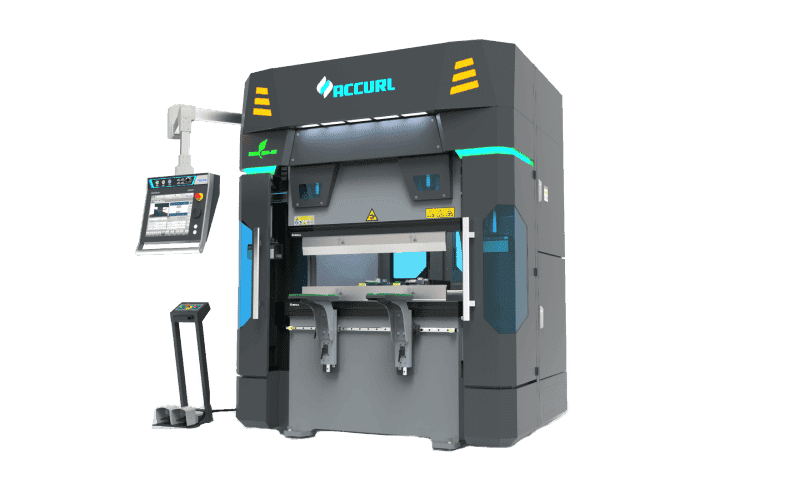
Investing in industrial machinery requires careful consideration and knowledge, particularly when it comes to purchasing a press brake machine. These machines play a crucial role in metalworking, allowing for the precise bending of sheet metal. Whether you are a seasoned professional or new to the field, understanding what to look for in a press brake machine can make a significant difference in your operations. This guide provides essential insights into selecting the right press brake, highlighting key features, specifications, and considerations to ensure that your investment is both wise and strategic.
Understanding Press Brake Machines
Press brake machines are essential in the metalworking industry, offering the capability to bend metal sheets into a variety of shapes and sizes. These machines are available in different configurations and capacities. Here are some types you might encounter:
- Hydraulic Press Brakes: Known for their power and precision, hydraulic press brakes are ideal for heavy-duty applications.
- Mechanical Press Brakes: Offering speed and efficiency, they are suitable for lighter materials and high-volume production.
- Electric Press Brakes: These are energy-efficient and provide high precision, making them suitable for intricate tasks.
Choosing between these options depends on the specific needs of your operation, such as the type of materials you work with and the production volume.
Key Factors to Consider
Capacity and Size
The capacity of a press brake machine is a critical factor. It determines the thickness and length of the metal that can be bent. A small press brake might be suitable for workshops dealing with smaller metal sheets, while larger operations might require machines capable of handling more substantial pieces.
Precision and Accuracy
For industries where detail and precision are paramount, the accuracy of a press brake is a significant consideration. Innovations in CNC technology have led to machines with enhanced precision, ensuring that each bend meets exact specifications.
Ease of Use and Maintenance
A machine that is easy to operate and maintain can save time and reduce costs. Look for features such as intuitive controls, automated functions, and accessible maintenance points. The ease of use can be particularly important for businesses with varying levels of operator experience.
Evaluating the Cost
While the initial purchase price is a factor, consider the long-term costs associated with maintenance, operation, and energy consumption. An energy-efficient machine, although possibly more expensive upfront, can result in significant savings over time. When seeking a press brake machine for sale, balance cost with expected longevity and productivity.
Safety Features
In any industrial setting, safety cannot be overlooked. Press brakes should be equipped with safety features such as light curtains, safety mats, and emergency stop buttons. These features are essential for protecting operators and ensuring a safe working environment.
Industry Application and Versatility
The versatility of a press brake machine can greatly enhance its value. Consider machines that can adapt to different tasks and materials. This adaptability not only enhances productivity but also future-proofs your investment against changing industry demands. The best press brake machine should fit seamlessly into your current workflow while offering room for growth and adaptation.
Conclusion
Purchasing the right press brake machine is an investment that requires thorough research and understanding. By considering factors such as machine type, capacity, precision, cost, and safety, businesses can make informed decisions that align with their operational goals. As technology continues to advance, staying informed about the latest developments in press brake machines will ensure that your business remains competitive and efficient. For those ready to explore options, a wide range of machines tailored to various needs and budgets is available, ensuring that every operation finds its perfect match.