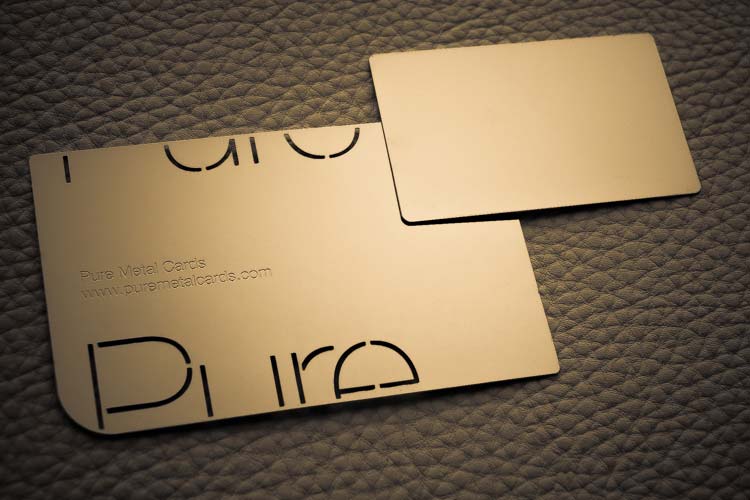
In today’s fast-paced and competitive business environment, making a memorable first impression is crucial. Business cards are a powerful tool in establishing a personal connection and conveying professionalism. While traditional business cards serve their purpose, the trend towards custom business cards is gaining momentum, offering a unique way to stand out in a crowded marketplace. Personalization allows businesses to reflect their brand identity creatively, leaving a lasting impression on potential clients and partners.
The Importance of Customization
Custom business cards are more than just contact information carriers; they are an extension of a brand’s image. By investing in personalized cards, businesses can:
- Enhance brand recognition by incorporating logos, colors, and fonts that align with their brand identity.
- Differentiate themselves from competitors, making it easier for potential clients to remember them.
- Convey professionalism and attention to detail, showing that they value their brand’s presentation.
Creative Design Elements
The design of a custom business card should be a reflection of the brand’s ethos and values. Creative elements can include:
- Unique Shapes: Moving away from the standard rectangular shape can make a card more memorable. Consider using custom shapes that relate to the industry or brand narrative.
- Innovative Materials: Traditional paper cards can be replaced with materials like metal, plastic, or wood, providing a tactile experience that stands out.
- Interactive Features: Incorporating QR codes, augmented reality elements, or foldable designs can engage recipients and encourage them to interact with the card.
Benefits of Personalized Business Cards
The advantages of using personalized business cards are manifold, impacting not only the brand image but also its reach and influence:
- Memorability: Custom business cards are more likely to be kept and remembered, increasing the chances of future business engagements.
- Networking: A unique card can serve as a conversation starter, helping to build relationships and expand professional networks.
- Brand Storytelling: A well-designed card can communicate a brand’s story, mission, and values, all within a compact format.
Embracing Technology
As technology evolves, so do the possibilities for business card customization. Incorporating technology can enhance the functionality of a card:
- Digital Integration: Embedding NFC chips or QR codes can link directly to digital portfolios or contact information, bridging the gap between physical and digital marketing.
- Eco-Friendly Options: Sustainable materials and digital business cards are becoming popular, reflecting a brand’s commitment to environmental responsibility.
Conclusion
Custom business cards are an essential asset for any business looking to make a distinctive mark. By embracing personalization, companies can effectively communicate their brand identity, create a memorable impression, and foster deeper connections with potential clients and partners. As the digital landscape evolves, integrating innovative designs and technological advancements will ensure that business cards remain a vital tool in a company’s marketing arsenal. For those interested in exploring creative options, considering custom business cards can be a great way to start.