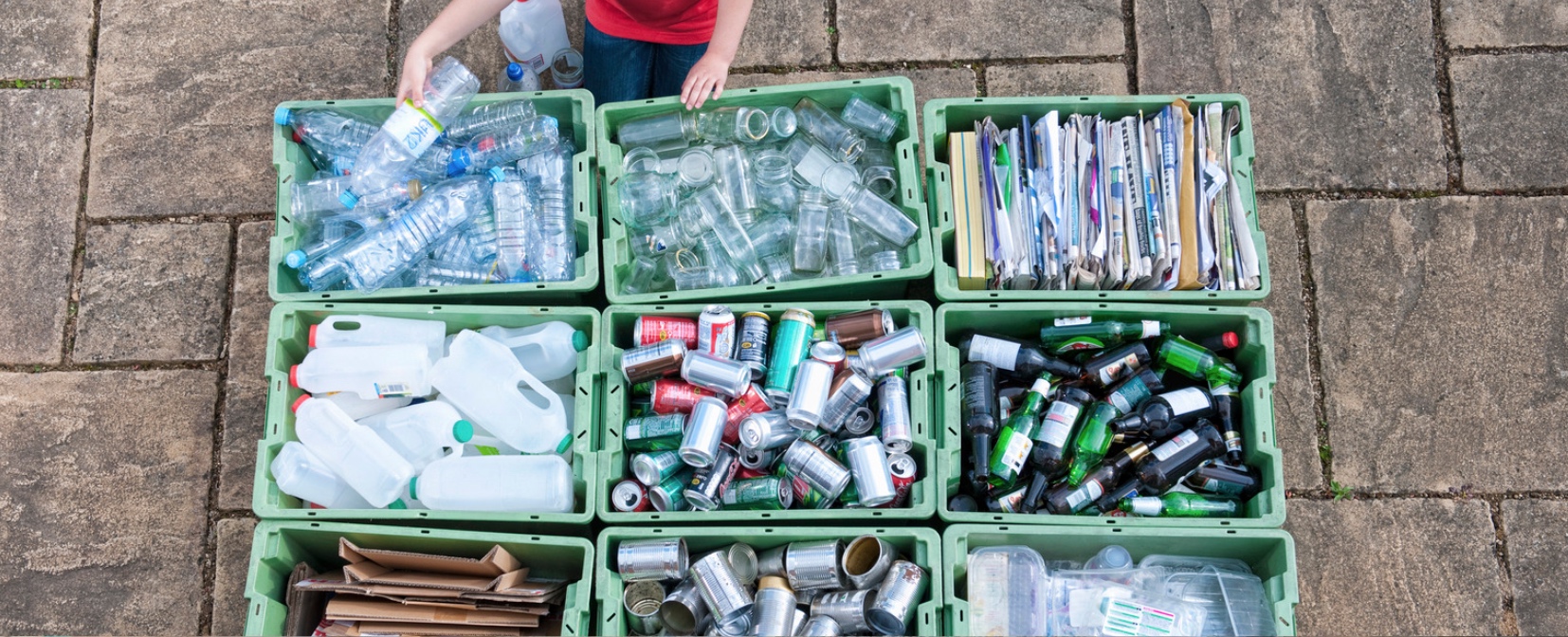
As global awareness of environmental issues continues to rise, effective waste management has become an essential component of sustainable living. Among various waste management strategies, recycling plays a pivotal role not only in conserving natural resources but also in reducing landfill waste and mitigating pollution. The practice of recycling involves converting waste materials into new products, thereby extending the lifecycle of materials and reducing the need for raw resource extraction. Understanding the importance of recycling within the broader scope of waste management can empower communities to embrace more sustainable practices and contribute to environmental preservation.
The Environmental Benefits of Recycling
Recycling offers numerous environmental benefits that directly impact the health of the planet. Some of the most significant advantages include:
- Reduction of landfill waste: By diverting materials from landfills, recycling helps decrease the amount of waste that contributes to methane emissions and other pollutants.
- Conservation of resources: Recycling reduces the need for raw material extraction, thus preserving natural resources such as timber, water, and minerals.
- Energy conservation: Producing new products from recycled materials generally requires less energy than manufacturing from raw materials, leading to reduced greenhouse gas emissions.
To delve deeper into these environmental benefits, explore advanced guides and tips on effective recycling practices.
Economic Impacts of Recycling
Beyond its environmental benefits, recycling also presents substantial economic advantages. These can be observed in:
- Job creation: The recycling industry supports a range of jobs, from collection and processing to manufacturing and sales of recycled goods.
- Cost savings: By reducing the need for new materials, recycling can lower production costs for manufacturers.
- Market development: Recycling promotes innovation and the development of new products and industries, bolstering economic growth.
For more insights into how recycling can drive economic benefits, learn about our tailored solutions that align with sustainable economic practices.
Challenges and Solutions in Recycling
Common Challenges
Despite its advantages, recycling faces several challenges that can hinder its effectiveness:
- Lack of consumer awareness: Many people are not fully informed about what materials can be recycled or how to properly recycle them.
- Contamination: Incorrectly sorted recyclables can contaminate recycling streams, making it difficult to process materials efficiently.
- Market fluctuations: The demand for recycled materials can vary, affecting the viability and profitability of recycling programs.
Innovative Solutions
Addressing these challenges requires innovative solutions and collaborative efforts:
- Education campaigns: Increasing public awareness through educational initiatives can enhance recycling participation and accuracy.
- Technology integration: Advanced sorting technologies can improve the efficiency and effectiveness of recycling processes.
- Policy support: Government policies and incentives can encourage recycling and support market stability for recycled materials.
To understand more about overcoming these recycling challenges, discover expert strategies here.
Conclusion
The importance of recycling in waste management cannot be overstated, as it contributes significantly to environmental conservation, economic growth, and sustainable development. By embracing recycling practices and overcoming associated challenges, communities can play a crucial role in fostering a healthier planet. For those looking to implement effective recycling strategies, find out more about this approach to enhance community and environmental well-being.