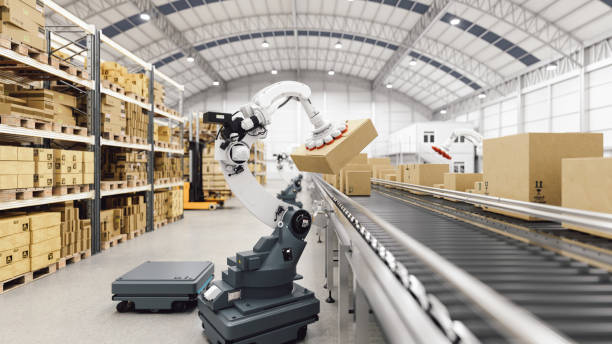
As the global economy becomes increasingly interwoven and the demand for rapid delivery intensifies, logistics providers are turning to innovative solutions to improve efficiency and scalability. Among the most transformative advancements in this sector is robotic warehouse automation. The integration of robotics into warehousing not only streamlines operations but also reduces human error and enhances safety. This shift is poised to redefine the logistics landscape, offering a glimpse into the future of automated warehousing.
Understanding Robotic Warehouse Automation
Robotic warehouse automation refers to the use of robots in the handling, storage, and transportation of goods within a warehouse. This technology leverages advanced robotics and AI to optimize the entire supply chain process. Here are some key components:
- Automated Guided Vehicles (AGVs): These robots navigate warehouses to transport goods, following pre-defined paths.
- Automated Storage and Retrieval Systems (AS/RS): These systems allow for the efficient storage and retrieval of goods in large warehouses.
- Warehouse Control Systems (WCS): This software coordinates the activities of various automated systems within a warehouse.
The Benefits of Robotic Warehouse Automation
Implementing warehouse automation solutions brings numerous advantages:
- Increased Efficiency: Automated systems can operate 24/7 without fatigue, significantly speeding up warehouse operations.
- Improved Accuracy: Automation reduces the likelihood of human errors, ensuring precise order fulfillment.
- Enhanced Safety: Robots can handle hazardous tasks, reducing the risk of workplace injuries.
- Scalability: Automated systems can be easily adjusted to accommodate changing demands.
Challenges and Considerations
While the benefits are substantial, there are challenges to consider when implementing automated warehouse systems:
- High Initial Costs: The installation of robotics can require significant upfront investment.
- Complex Integration: Ensuring seamless integration with existing systems can be challenging and requires expertise.
- Maintenance and Upkeep: Regular maintenance is necessary to keep automated systems running smoothly.
Future Trends in Robotic Warehouse Automation
The future of logistics is set to be significantly influenced by advancements in warehouse automation technologies. Some of these trends include:
- AI and Machine Learning: These technologies will allow for more intelligent decision-making and predictive analytics.
- Integration with IoT: Internet of Things (IoT) devices will provide real-time data to optimize automated systems further.
- Collaborative Robots: Also known as cobots, these robots are designed to work alongside humans, enhancing productivity and safety.
Conclusion
As logistics companies continue to seek new ways to enhance efficiency and meet consumer demands, automated warehousing solutions stand out as a key strategy. The integration of robotics and advanced technologies will not only transform warehouse operations but also pave the way for smarter, faster, and more efficient logistics networks. By embracing these innovations, the logistics industry is poised to meet the challenges of tomorrow with agility and precision.