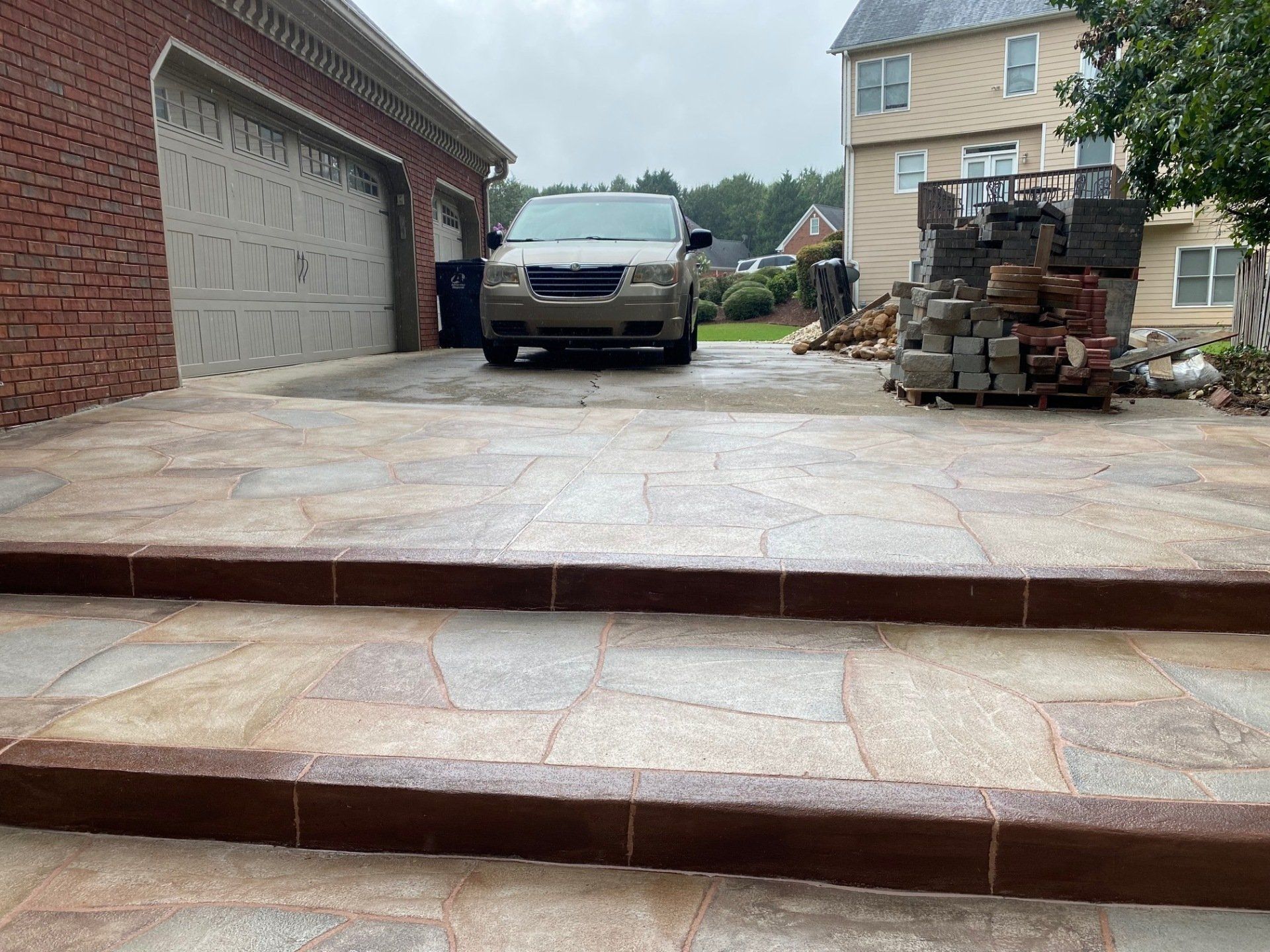
Concrete walkway installation is a rewarding endeavor that enhances both the aesthetic appeal and functionality of outdoor spaces. However, the durability and quality of the final product largely depend on the selection of materials used in the process. Choosing the right materials ensures the longevity and resilience of the walkway, minimizing future repair costs and maintenance efforts. This article delves into the essential materials required for a successful concrete walkway installation, providing insightful guidance for those aiming to achieve professional-grade results.
Concrete Mixture: The Backbone of the Walkway
The quality of the concrete mixture is pivotal in establishing a robust walkway. It is crucial to select the appropriate type of concrete that suits the environmental conditions and usage requirements.
- Cement: Opt for Portland cement, known for its strength and durability.
- Aggregates: Use a combination of sand and gravel to provide structural integrity. Ensure that the aggregates are clean and free of impurities.
- Water: Maintain the correct water-to-cement ratio to achieve the desired consistency and strength.
- Admixtures: Consider using admixtures to enhance specific properties such as workability, curing time, or resistance to freeze-thaw cycles. Discover expert strategies here.
Reinforcement Materials: Ensuring Structural Integrity
To prevent cracking and increase the tensile strength of the concrete, incorporating reinforcement materials is essential.
- Rebar: Steel reinforcement bars are commonly used to provide additional support and prevent cracking.
- Wire Mesh: A steel wire mesh can be embedded within the concrete to distribute loads more evenly and enhance durability.
- Fiber Reinforcement: Adding synthetic fibers can increase impact resistance and reduce shrinkage cracking. Learn about our tailored solutions.
Sub-base Materials: Foundation for Stability
The sub-base is a critical component that supports the concrete slab and ensures even weight distribution. Proper preparation of the sub-base is key to preventing settling and cracking.
- Crushed Stone: A layer of crushed stone provides a stable foundation that facilitates drainage and prevents moisture accumulation.
- Compacted Gravel: Compacting gravel helps to create a firm base that supports the weight of the concrete effectively.
- Geotextile Fabric: This fabric can be used to separate the soil from the sub-base, preventing contamination and enhancing stability. Explore advanced guides and tips.
Finishing Materials: Enhancing Aesthetic Appeal
Once the structural components are in place, finishing materials are used to refine the appearance and surface characteristics of the walkway.
- Sealants: Applying a sealant protects the concrete from moisture, chemicals, and abrasion, extending its lifespan.
- Colorants: Integral colorants added to the mixture or surface-applied stains offer a variety of design options to match aesthetic preferences.
- Texturing Tools: Tools such as stamps and trowels can create patterns that add visual interest and improve slip resistance. Find out more about this approach.
In conclusion, the selection and use of high-quality materials are fundamental to the successful installation of a concrete walkway. By carefully selecting the appropriate concrete mixture, reinforcement, sub-base, and finishing materials, one can ensure that the walkway is both durable and visually appealing. For those seeking comprehensive guidance and advanced techniques, numerous resources are available that offer expert advice tailored to specific needs and conditions. Whether for residential or commercial projects, the path to a superior concrete walkway begins with informed material choices.