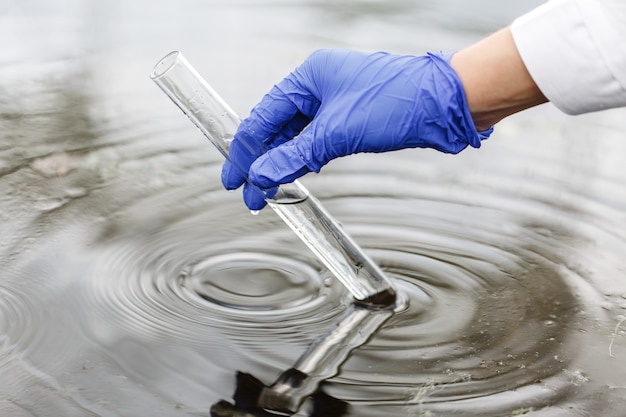
Sewage spills and contamination pose serious health risks and can cause extensive damage to residential and commercial properties. Prompt, thorough cleanup and restoration are essential to mitigate hazards, prevent structural deterioration, and restore a safe environment. This overview outlines the key components of professional sewage cleanup and restoration services, highlighting best practices, essential equipment, and the step-by-step process that ensures optimal results.
Understanding Sewage Contamination
Sewage contains a complex mixture of organic waste, pathogens, chemicals, and debris. When it infiltrates a building, it can affect:
- Structural elements such as walls, floors, and foundations.
- Electrical systems and appliances.
- Indoor air quality and ventilation.
- Personal belongings and stored inventory.
Because of these varied impacts, a comprehensive assessment is the first critical step. Certified technicians evaluate the extent of contamination, identify hidden moisture pockets, and develop a remediation plan that addresses both visible and latent damage.
Key Phases of Professional Sewage Cleanup
1. Safety Assessment and Personal Protective Equipment (PPE)
Before any physical work begins, safety protocols are enforced. Technicians don appropriate PPE, including respirators, waterproof gloves, and disposable coveralls, to protect against bacterial exposure and chemical irritants.
2. Containment and Removal
Containment barriers are erected to isolate the affected area, preventing cross-contamination. All contaminated materials, such as drywall, carpet, insulation, and furniture, are carefully removed and disposed of according to local hazardous-waste regulations.
3. Extraction and Drying
High-capacity pumps and industrial-grade vacuums extract standing water and sludge. Following extraction, powerful air movers and dehumidifiers are deployed to reduce moisture levels to below 60 % relative humidity, a threshold that inhibits mold growth.
4. Disinfection and Sanitization
After drying, antimicrobial agents are applied to all surfaces. Electrostatic sprayers ensure even coverage, while UV-light devices can be used for additional pathogen neutralization. This step is crucial for eliminating bacteria such as E. coli and Salmonella.
5. Restoration and Reconstruction
Once the environment is declared safe, reconstruction begins. This may involve:
- Replacing drywall, flooring, and insulation.
- Repainting and refinishing surfaces.
- Reinstalling electrical fixtures and plumbing components.
Professional contractors coordinate with insurance adjusters to streamline claims and ensure that all work meets industry standards.
Why Specialized Expertise Matters
General cleaning methods are insufficient for sewage incidents. Specialized knowledge in microbiology, building science, and environmental health is required to:
- Identify hidden moisture behind walls and under subfloors.
- Select appropriate disinfectants that are effective against a broad spectrum of pathogens.
- Prevent secondary damage such as mold proliferation.
- Comply with local health codes and EPA regulations.
For a deeper dive into the methodologies used by seasoned professionals, Discover expert strategies here.
Choosing the Right Service Provider
When evaluating potential service providers, consider the following criteria:
- Certification: Look for technicians certified by the Institute of Inspection, Cleaning and Restoration Certification (IICRC) or similar bodies.
- Response Time: Rapid mobilization limits the duration of exposure to contaminants.
- Equipment Quality: Modern, high-efficiency extraction and drying equipment reduces overall project time.
- Insurance Assistance: Providers that assist with documentation and claim preparation simplify the reimbursement process.
Understanding these factors helps property owners make informed decisions that protect health and property value. Learn about our tailored solutions.
Preventive Measures After Restoration
Even after a successful cleanup, ongoing vigilance is essential to avoid future incidents. Recommended preventive actions include:
- Regular inspection of sewage lines and septic systems.
- Installation of backflow preventers on plumbing fixtures.
- Routine maintenance of drainage systems and sump pumps.
- Prompt repair of leaks and water-intrusion points.
Adopting these practices reduces the likelihood of repeat contamination and extends the lifespan of restored structures.
Conclusion
Professional sewage cleanup and restoration combine rigorous safety protocols, advanced equipment, and specialized expertise to restore safety, functionality, and peace of mind. By following industry-approved procedures, from initial assessment through final reconstruction, property owners can confidently address sewage emergencies and mitigate long-term damage. For additional insights and comprehensive guidance, Explore advanced guides and tips.