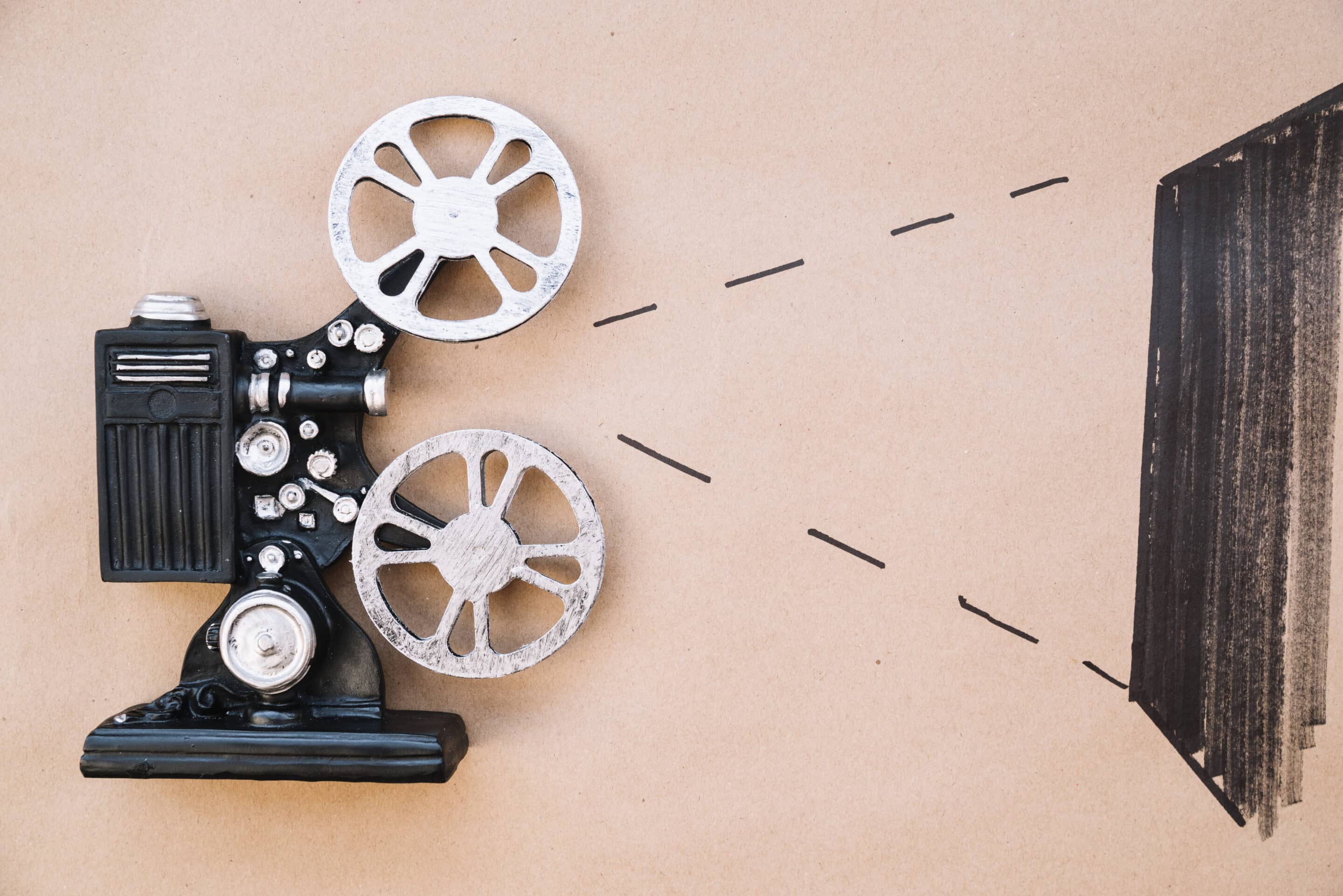
In today’s digital era, the preservation of memories captured on film is of paramount importance. Many individuals and organizations are seeking professional film to digital service providers to ensure their valuable memories are safeguarded for future generations. These services have evolved significantly, offering advanced techniques and technologies to cater to diverse needs. Understanding the process and benefits of converting film to digital formats is crucial for anyone looking to keep their media relevant and accessible.
The Importance of Film to Digital Conversion
Converting film to digital formats is not just a matter of convenience; it is a necessity for preserving historical and personal archives. Films are susceptible to degradation over time due to environmental factors such as temperature, humidity, and light exposure. By digitizing these films, one can:
- Protect against physical deterioration and loss.
- Enhance accessibility via modern devices and platforms.
- Facilitate easy sharing and distribution among family, friends, or audiences.
For those interested in understanding the nuances of this transition, it’s advisable to explore advanced guides and tips offered by seasoned experts in the field. Discover expert strategies here.
Understanding the Conversion Process
The film to digital conversion process involves several critical steps, each requiring precision and expertise. These steps include:
- Assessment: Evaluating the condition and format of the film to determine the best approach for conversion.
- Cleaning and Repairing: Carefully cleaning and repairing any damage to the film to ensure the highest quality digital output.
- Scanning: Utilizing high-resolution scanners to capture every detail of the film, ensuring clarity and accuracy in the digital version.
- Editing and Enhancement: Post-processing the digital files to enhance colors, remove blemishes, and adjust brightness and contrast.
For those looking to delve deeper into each phase of this intricate process, find out more about this approach.
Choosing the Right Service Provider
Selecting a professional film to digital service provider involves considering several factors to ensure high-quality results. Critical considerations include:
- Experience and Expertise: Providers with a proven track record and specialized knowledge in film conversion are more likely to deliver superior results.
- Technology and Equipment: Utilizing modern equipment and techniques is essential for achieving the best digital conversion.
- Customer Reviews and Testimonials: Positive feedback from past clients can offer insight into the provider’s reliability and quality of service.
- Pricing and Packages: Analyzing different pricing structures and packages helps in understanding the value offered by the service.
For tailored solutions that meet specific needs, learn about our tailored solutions.
Benefits of Professional Services
Opting for professional services in film to digital conversion offers numerous advantages:
- Quality Assurance: Professional services ensure high-quality results with attention to detail at every stage of the conversion.
- Time Efficiency: Experts handle the conversion process efficiently, saving clients time and effort.
- Comprehensive Support: From initial consultation to post-conversion support, professional services offer comprehensive assistance throughout the process.
- Advanced Techniques: Access to cutting-edge technology and techniques ensures that the digital output is of the highest standard.
For those seeking to explore advanced guides and tips on achieving optimal results, explore advanced guides and tips.
Preserving memories through film to digital conversion is an investment in the future. By understanding the process and selecting the right service provider, individuals and organizations can ensure their cherished memories are preserved with the highest quality and care. Whether for personal archives or professional collections, the transition to digital is an essential step in today’s technology-driven world.