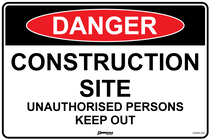
In the fast-paced world of industry, safety is a paramount concern. Industrial environments are often fraught with potential hazards, from heavy machinery to dangerous chemicals. To mitigate these risks, the implementation of effective industrial safety signs is crucial. These signs serve as vital communication tools that alert workers to potential dangers, ensuring they remain vigilant and informed about their surroundings. By understanding the importance of industrial safety signage, organizations can foster a culture of safety that protects their most valuable asset: their workforce.
The Importance of Industrial Safety Signs
Industrial safety signs play a critical role in maintaining a safe workplace. They provide clear, concise information that helps prevent accidents and injuries. Here are some key reasons why industrial safety signs are essential:
- Compliance with Regulations: Adhering to safety standards and regulations is mandatory in industrial settings. Safety signs help ensure compliance with legal requirements, minimizing the risk of fines and legal issues.
- Accident Prevention: By alerting workers to potential hazards, safety signs significantly reduce the likelihood of accidents. They serve as constant reminders to exercise caution and follow safety protocols.
- Enhanced Communication: In a diverse workforce, language barriers can pose communication challenges. Safety signs use universally recognized symbols and colors to convey important information, ensuring everyone understands the risks involved.
To explore advanced guides and tips on implementing effective safety measures, discover expert strategies here.
Types of Industrial Safety Signs
Industrial safety signs can be categorized into several types, each serving a specific purpose. Understanding the different types of signs helps in selecting the most appropriate ones for a given environment.
Warning Signs
Warning signs indicate potential hazards that could cause harm. They are typically yellow with black text or symbols. Examples include:
- High Voltage: Alerts workers to electrical hazards.
- Slippery Surface: Indicates areas prone to slips and falls.
- Heavy Machinery: Warns of moving equipment that poses a risk.
Mandatory Signs
These signs provide instructions that must be followed for safety. They are blue and white in color. Common mandatory signs include:
- Wear Protective Equipment: Reminds workers to use personal protective gear.
- Use Handrails: Encourages safe practices on stairs and elevated platforms.
Prohibition Signs
Prohibition signs indicate actions that are not allowed. They are red and white and often feature a red circle with a diagonal line. Examples include:
- No Entry: Restricts access to hazardous areas.
- No Smoking: Prohibits smoking in flammable zones.
For more information on selecting the right types of safety signs, find out more about this approach.
Implementing an Effective Safety Signage Strategy
Creating a comprehensive safety signage strategy involves several steps to ensure maximum efficacy:
- Conduct a Risk Assessment: Identify potential hazards in the workplace and determine the appropriate signs needed to address them.
- Regular Maintenance: Ensure all safety signs are visible, legible, and in good condition. Replace or repair damaged signs promptly.
- Employee Training: Educate workers on the meaning of various signs and the actions required when encountering them.
To learn about our tailored solutions for implementing safety signage, explore advanced guides and tips.
Conclusion
Industrial safety signs are indispensable tools in safeguarding workers in hazardous environments. They provide crucial information that helps prevent accidents and maintain compliance with safety regulations. By selecting the appropriate signs and implementing a comprehensive signage strategy, organizations can create a safer workplace. Learn about our tailored solutions to enhance safety and protect workers efficiently.