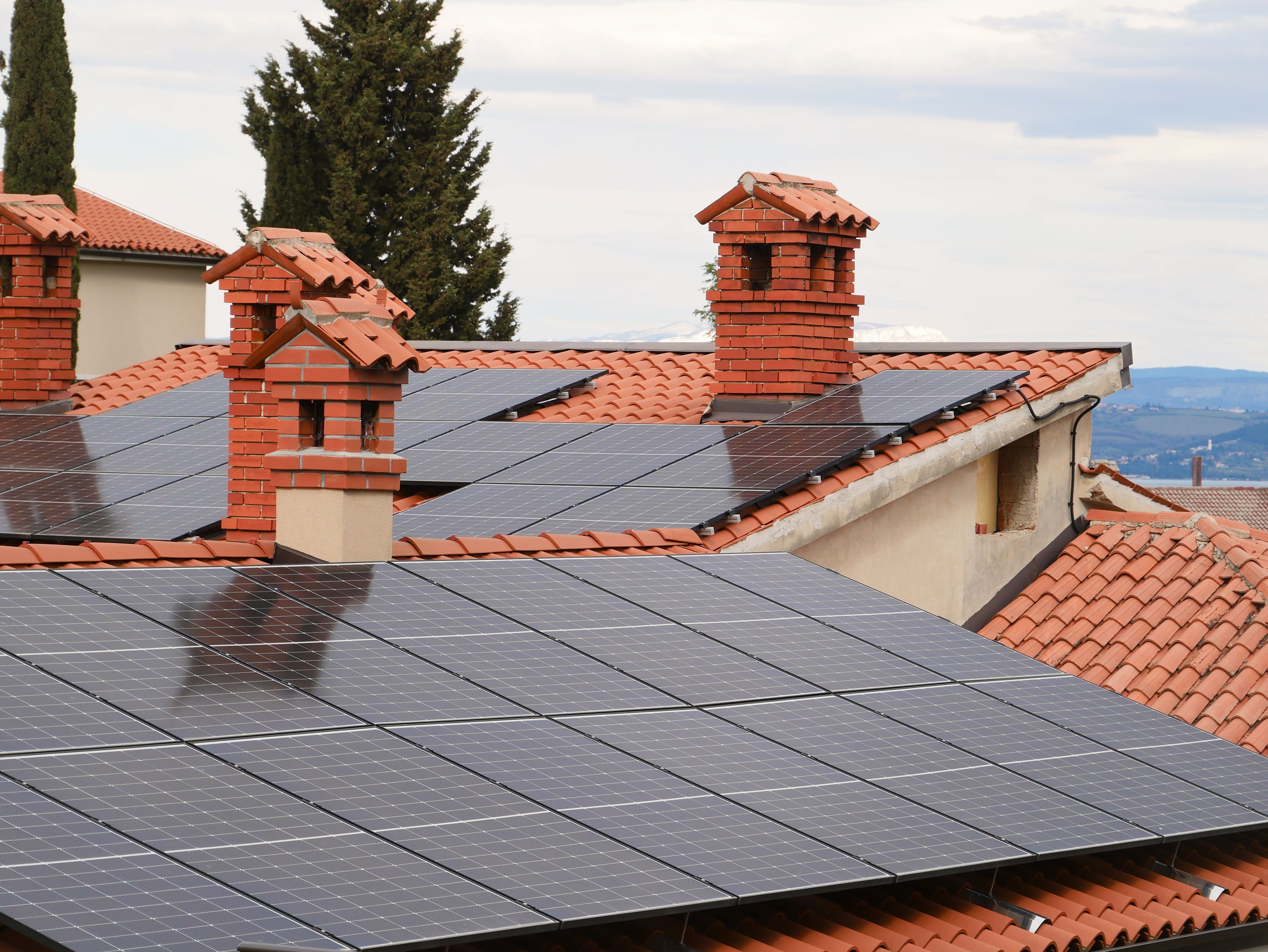
Choosing the right chimney liner for your home is an essential decision that impacts not only your chimney’s efficiency but also your home’s safety and energy consumption. A chimney liner acts as a protective barrier between the masonry and the byproducts of combustion. It plays a critical role in preventing heat transfer and protecting the chimney walls from corrosion. With various types of chimney liners available, understanding their unique benefits and features can help homeowners make informed decisions. This comprehensive guide will explore different types of liners and important factors to consider when choosing the right one for your home.
Understanding Different Types of Chimney Liners
Clay Tile Liners
Clay tile liners are a traditional choice for masonry chimneys and are known for their durability and cost-effectiveness. Here are some key features:
- Highly resistant to the corrosive byproducts of combustion.
- Effective in high-temperature environments.
- Long-lasting with proper maintenance.
However, clay liners can be challenging to retrofit into existing chimneys and may crack under rapid temperature changes.
Explore advanced guides and tips on maintaining clay tile liners.
Metal Liners
Metal liners, usually made of stainless steel or aluminum, are preferred for their flexibility and compatibility with a range of fuel types. Consider these advantages:
- Durability and resistance to heat and corrosion.
- Suitable for wood-burning, gas, and oil appliances.
- Relatively easy installation, especially in retrofits.
Stainless steel liners, in particular, offer superior longevity and are ideal for wood-stoves and fireplaces.
Learn about our tailored solutions for metal chimney liners.
Ceramic and Cast-in-Place Liners
These liners offer a modern solution for chimney relining, combining durability with ease of installation. Benefits include:
- Seamless installation, creating a smooth, insulated barrier.
- Excellent thermal insulation and resistance to temperature fluctuations.
- Custom-fit to the chimney’s existing structure, enhancing efficiency.
Ceramic liners are ideal for chimneys with existing structural issues as they provide additional stability.
Discover expert strategies here for choosing ceramic and cast-in-place liners.
Key Factors to Consider When Choosing a Chimney Liner
Selecting the right chimney liner involves evaluating various factors to ensure compatibility and efficiency:
Fuel Type Compatibility
Different liners are suited to specific fuel types. Metal liners are versatile, while clay tiles are best for traditional wood-burning appliances. Evaluate the fuel type to ensure optimal performance.
Budget Considerations
Budget plays a significant role in the decision-making process. While clay liners offer cost savings initially, metal and ceramic liners may provide better long-term value due to their durability and efficiency.
Find out more about this approach to balancing cost and performance.
Chimney Condition and Structure
The state of your chimney is crucial in selecting a liner. Metal liners are more adaptable to varying conditions, while cast-in-place options can reinforce deteriorating structures. A professional inspection can provide insights into the most suitable option.
Conclusion
Choosing the right chimney liner is a critical step in ensuring your home’s safety, efficiency, and longevity. Each type of liner offers unique benefits and considerations, making it essential to assess your specific needs and circumstances. For further guidance and professional advice, homeowners can
explore advanced guides and tips to make the best decision for their homes.