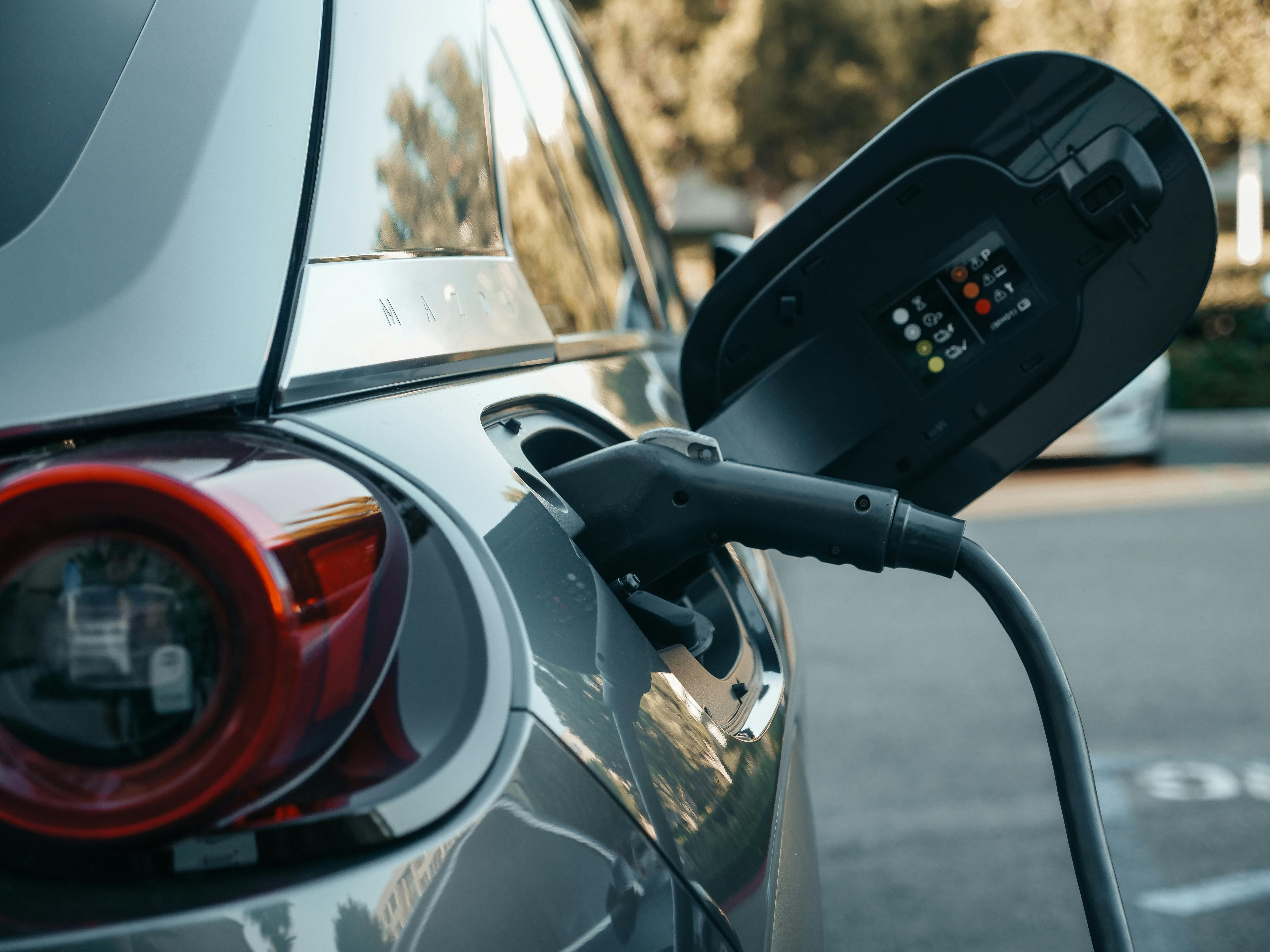
Installing an electric car charger at home is becoming a standard part of modern vehicle ownership. While the convenience of charging overnight is undeniable, many homeowners wonder about the true cost of a residential EV charging setup. Understanding the variables that influence price, from equipment selection to electrical work, helps in budgeting accurately and avoiding unexpected expenses.
Key Cost Drivers for Home EV Charger Installation
1. Charger Type and Power Rating
The two primary categories of home chargers are Level 1 (120 V) and Level 2 (240 V). Level 1 units are inexpensive but charge slowly, whereas Level 2 chargers provide faster charging at a higher upfront cost.
- Level 1: Typically $200-$400 for the unit; minimal installation work.
- Level 2: Prices range from $400 to $1,200 for the hardware, depending on features such as smart connectivity, cable length, and durability.
2. Electrical Panel Capacity
If the existing service panel cannot accommodate the additional load, an upgrade may be required. This is often the most significant variable cost.
- Standard 100-amp panel: May need a sub-panel or a full upgrade to 200 amps.
- Upgrade costs: $1,000-$3,000, including new breaker, wiring, and labor.
3. Labor and Permitting
Certified electricians must perform the installation, and many jurisdictions require a permit.
- Labor rates: $75-$150 per hour, typically 4-8 hours of work.
- Permit fees: $50-$200, varying by city or county.
Breakdown of Typical Installation Scenarios
Scenario A – Basic Level 2 Installation
For a home with sufficient panel capacity and a short run of conduit to the garage, the cost structure looks like this:
- Charger unit (mid-range model): $650
- Electrical labor (5 hrs @ $100/hr): $500
- Permit: $100
- Total estimate: $1,250
Scenario B – Panel Upgrade and Premium Charger
When a panel upgrade is necessary and a premium smart charger is selected, expenses increase:
- Premium charger with Wi-Fi integration: $1,050
- Panel upgrade to 200 amps: $2,200
- Electrical labor (8 hrs @ $120/hr): $960
- Permit and inspection: $150
- Total estimate: $4,360
Additional Features That Influence Cost
- Smart connectivity: Enables remote monitoring, scheduling, and energy usage reports. Adds $100-$300.
- Cable management systems: Wall-mounted reels or retractable cords range from $80-$250.
- Dedicated parking space wiring: Longer conduit runs or outdoor-rated equipment can increase material costs by $200-$500.
Potential Savings and Incentives
Many regions offer rebates, tax credits, or utility incentives that can offset a portion of the installation expense.
- Federal tax credit (U.S.): Up to 30% of equipment cost, capped at $1,000.
- State or local rebates: Typically $200-$800 per installation.
- Utility demand-response programs: May provide reduced rates for off-peak charging.
To identify applicable programs, Discover expert strategies here and stay updated on evolving policies.
Choosing the Right Charger for Your Home
When selecting a charger, consider the following criteria:
- Vehicle compatibility: Ensure the charger’s connector matches your EV’s inlet (most use J1772).
- Future-proofing: A 240 V, 40-amp unit can accommodate larger battery packs that may appear in newer models.
- Installation location: Indoor garage versus outdoor mounting affects enclosure rating and cost.
For a deeper dive into matching charger specifications with vehicle needs, Learn about our tailored solutions and explore detailed comparison charts.
Maintenance and Long-Term Costs
Home chargers are relatively low-maintenance, but periodic checks ensure safety and performance.
- Annual visual inspection of wiring and connections.
- Firmware updates for smart chargers (often performed via a mobile app).
- Potential replacement of worn cables after 5-7 years.
Understanding these ongoing considerations helps homeowners budget for the full lifecycle of their charging setup. For guidance on maintaining peak efficiency, Explore advanced guides and tips that cover best practices.
Conclusion
Investing in a home electric car charger involves more than just the price of the hardware. Panel capacity, labor rates, permits, and optional features all shape the final figure. By assessing individual needs, researching local incentives, and selecting a charger that aligns with both present and future vehicle requirements, homeowners can achieve a cost-effective, reliable charging solution. Careful planning and professional installation ensure that the convenience of overnight charging translates into long-term savings and a smoother transition to electric mobility.