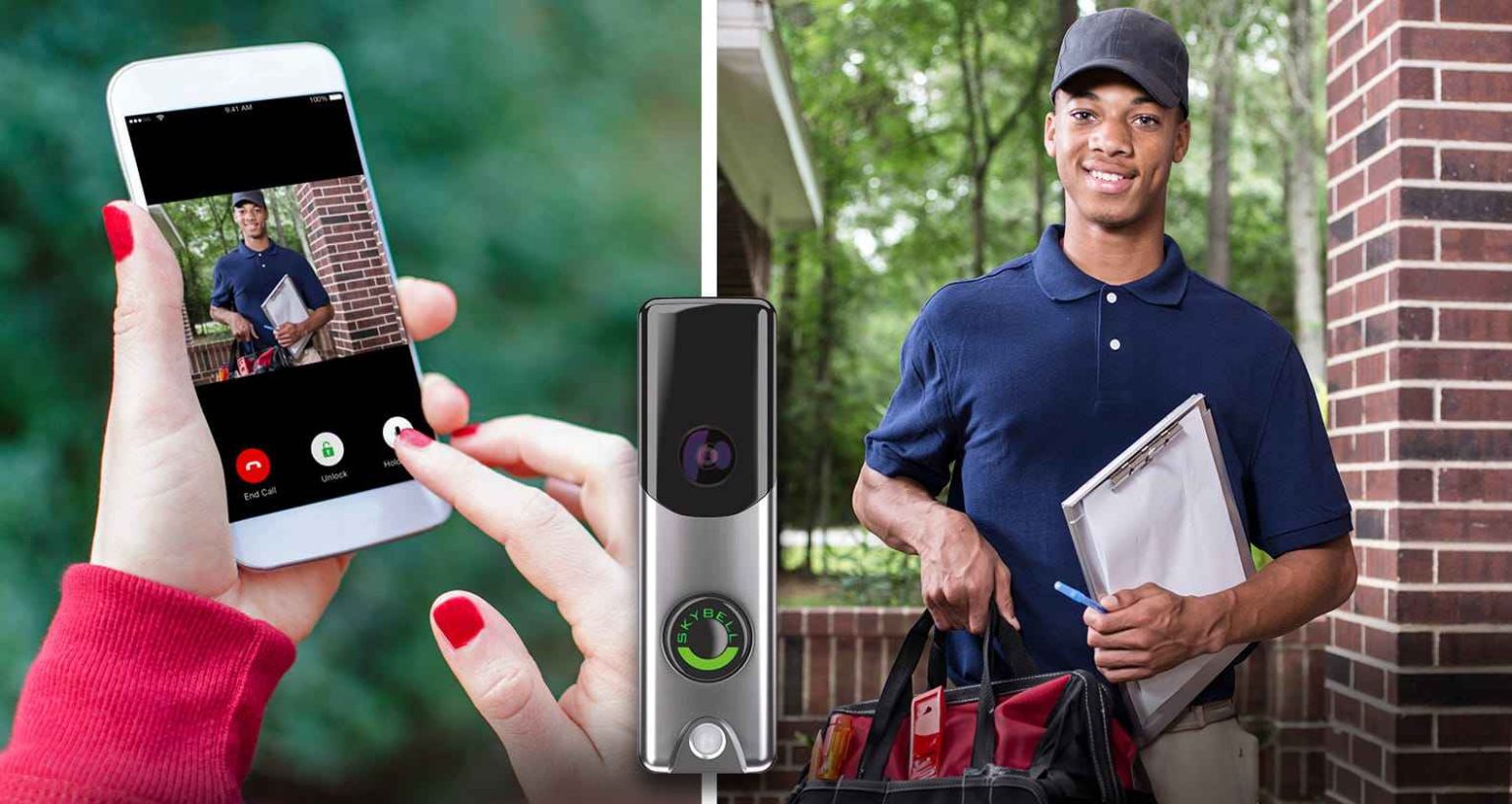
Security cameras have become an integral part of modern property management, offering peace of mind and protection against potential threats. Efficient installation of security cameras is crucial for maximizing their effectiveness and ensuring comprehensive coverage. Whether for residential, commercial, or industrial properties, understanding the key aspects of installation can significantly enhance security outcomes.
Selecting the Right Security Cameras
Choosing the correct type of security camera is the first step in the installation process. Considerations include:
- Type of Camera: Options include dome, bullet, and PTZ (pan-tilt-zoom) cameras. Each type has its own unique advantages and is suited for different environments.
- Resolution: Higher resolution cameras provide clearer images, which can be crucial for identifying details in the footage.
- Field of View: Cameras with a wide field of view can cover more area, reducing the number needed for comprehensive coverage.
- Night Vision: Ensure cameras have infrared capabilities to maintain visibility in low-light conditions.
Read more about this topic to make informed decisions based on property needs and surveillance goals.
Strategic Placement of Cameras
Identifying Vulnerable Areas
To optimize the security camera installation, it is vital to identify areas that are most susceptible to unauthorized access or activity. Common locations include:
- Entrances and exits
- Driveways and parking lots
- Windows and other potential entry points
- Remote or less frequented areas of a property
Strategically placing cameras in these areas ensures comprehensive surveillance coverage. Learn more in this detailed guide on effectively mapping out camera placements.
Installation Best Practices
Proper installation is key to ensuring that security cameras function optimally. Consider the following best practices:
- Height and Angle: Cameras should be mounted at a height that deters tampering while still capturing clear footage. The angle should cover the area of interest without obstructions.
- Cable Management: Secure and conceal cables to prevent damage and maintain a tidy appearance.
- Weather Protection: For outdoor cameras, ensure they are weatherproof and positioned to withstand environmental conditions.
- Regular Maintenance: Schedule regular checks to clean lenses and verify that all systems are functioning properly.
Explore further insights here on maintaining optimal camera performance through regular reviews and updates.
Integration with Security Systems
Integrating cameras with existing security systems enhances their effectiveness by providing a coordinated approach to property protection. Consider the following aspects:
- System Compatibility: Ensure that cameras are compatible with existing alarms, access controls, and monitoring systems.
- Remote Access: Enable remote viewing capabilities to monitor the property from anywhere via smartphones or computers.
- Data Storage: Decide on cloud-based or local storage solutions for recorded footage, ensuring sufficient capacity and easy retrieval.
Find additional information here on how integrated systems can streamline security management.
Conclusion
An effective security camera installation involves careful planning, strategic placement, and integration with broader security systems. By understanding and applying best practices, property owners can enhance their security measures, deter potential threats, and ensure peace of mind. For more insights, visit this comprehensive resource.