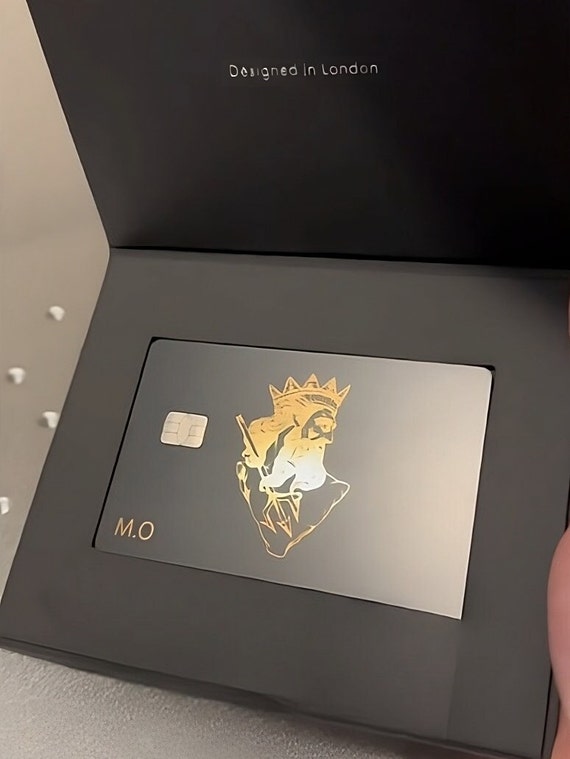
In today’s competitive marketplace, a brand’s visual identity extends far beyond logos and color palettes. One of the most tactile ways to leave a lasting impression is through premium business accessories, particularly custom metal cards. These durable, high-impact pieces not only convey professionalism but also serve as a memorable touchpoint that can differentiate a brand in a crowded field. This article explores the essential steps and design considerations for creating metal cards that truly reflect a brand’s personality and values.
Why Choose Metal Over Traditional Materials?
- Durability: Metal cards resist bending, tearing, and wear, ensuring they look pristine for years.
- Premium Perception: The weight and finish of metal instantly communicate quality and attention to detail.
- Design Flexibility: Advanced engraving, laser etching, and embossing techniques enable intricate graphics and textures.
- Eco-Friendly Options: Recyclable alloys reduce environmental impact compared to single-use paper cards.
Key Design Elements
1. Brand Consistency
Every visual element on a metal card should echo the broader brand language. This includes:
- Logo placement and size, ensure it remains legible at the card’s dimensions.
- Corporate colors, select metal finishes (brushed, matte, polished) that complement the palette.
- Typography, choose fonts that are clear when engraved or etched.
2. Material Selection
Different alloys provide distinct aesthetics and tactile experiences:
- Stainless Steel: Offers a sleek, modern look with excellent corrosion resistance.
- Brass: Delivers a warm, golden tone that ages beautifully.
- Aluminum: Lightweight and ideal for intricate laser-cut designs.
3. Finishing Techniques
Finishes enhance both visual appeal and functionality:
- Laser Etching: Precise, high-resolution details for logos and patterns.
- Embossing/Debossing: Adds a tactile dimension that can be felt as well as seen.
- Powder Coating: Provides vibrant, durable color options that resist fading.
Step-by-Step Design Workflow
- Define Objectives: Clarify what the card should achieve, networking, product showcase, or premium gifting.
- Gather Assets: Collect high-resolution logos, brand guidelines, and any imagery that will be used.
- Choose Dimensions: Standard business card size (3.5″ × 2″) works well, but custom shapes can create a unique silhouette.
- Create Mock-ups: Use vector software (e.g., Adobe Illustrator) to layout elements, keeping a 0.125-inch bleed for edge-to-edge printing.
- Select Production Partner: Partner with a specialist that offers the desired metal, finish, and engraving capabilities. For reliable options, explore Custom Metal Cards that provide a range of customization tools.
- Proof and Approve: Request a physical prototype or high-resolution digital proof before full production.
- Finalize Production: Confirm quantities, lead times, and packaging requirements.
Best Practices for Maximizing Impact
- Simplicity Wins: Avoid clutter; let the metal’s texture and finish be part of the design.
- Contrast Is Key: Use light engraving on dark metal or vice versa to ensure readability.
- Consider QR Codes: Integrate a discreet QR code that links to a digital portfolio or contact page.
- Packaging Matters: Present the cards in a sleek sleeve or box to reinforce the premium feel.
Integrating Metal Cards into a Brand Strategy
Metal cards can serve multiple strategic purposes beyond simple contact exchange:
- Event Giveaways: Distribute at trade shows to stand out among paper handouts.
- Employee Recognition: Issue as awards for milestones, reinforcing internal brand pride.
- Client Appreciation: Send as a high-value thank-you token, deepening relationships.
By aligning the card’s design with overall marketing goals, brands can turn a simple accessory into a powerful brand ambassador.
Choosing the Right Supplier
Selecting a supplier that combines technical expertise with responsive customer service is essential. A reputable provider will offer:
- Interactive design tools for real-time previews.
- Transparent pricing for different metal grades and finishes.
- Quality assurance guarantees and fast turnaround times.
For those seeking a trusted partner, reviewing the portfolio of Custom Metal Cards showcases a breadth of styles and finishes that can inspire new concepts.
Conclusion
Designing custom metal cards is an investment in tangible brand equity. By carefully selecting materials, finishes, and design elements, and by collaborating with a skilled manufacturer, brands can create a lasting impression that endures far beyond a typical paper card. The result is a sophisticated, durable representation of brand identity that resonates with clients, partners, and employees alike.