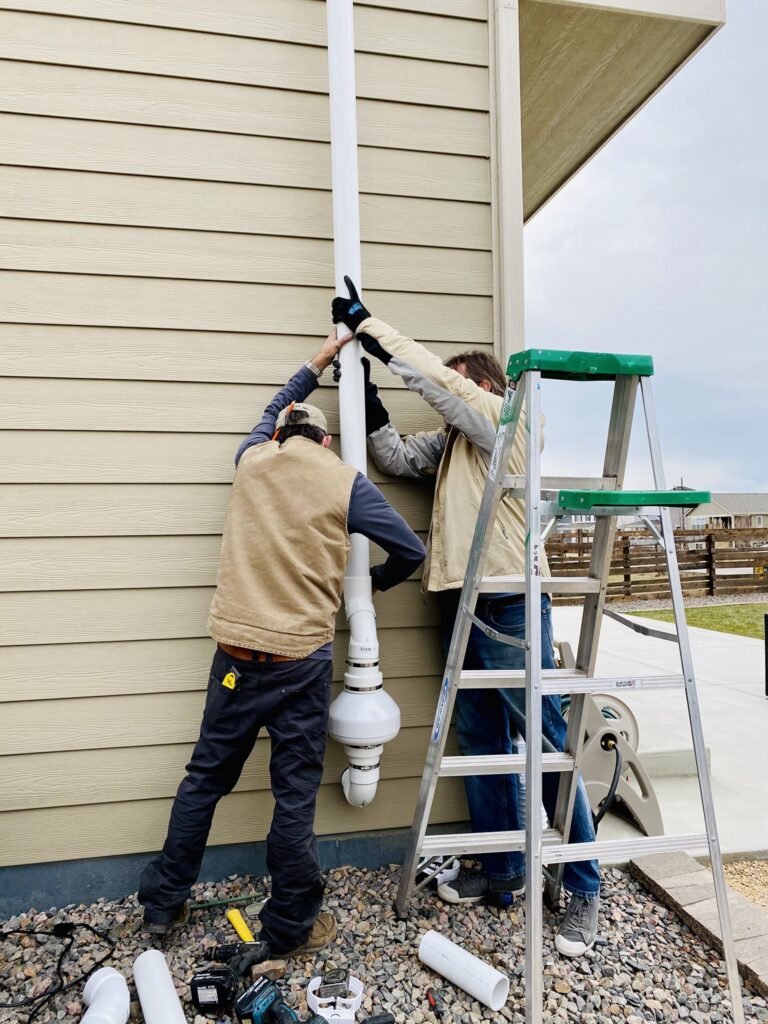
Denver Radon Mitigation Systems: What to Expect
Radon is a naturally occurring gas that can be found in soil and rock across the United States. In Colorado, radon levels are particularly high, making radon mitigation a crucial step in maintaining a safe and healthy home environment. When it comes to radon mitigation systems, there are several factors to consider, including the type of system, installation costs, and ongoing maintenance requirements.
Understanding Radon Mitigation Systems
Radon mitigation systems work by using a combination of technology and design to reduce radon levels in a home. The most common type of system is a passive system, which involves sealing entry points and installing a ventilation system to draw radon gas out of the home. Active systems, on the other hand, use a fan to actively draw radon gas out of the home and vent it outside. Discover expert strategies here to determine which type of system is best for your home.
Types of Radon Mitigation Systems
- Passive Systems: These systems are designed to work with the natural flow of air in a home, drawing radon gas out of the home and venting it outside.
- Active Systems: These systems use a fan to actively draw radon gas out of the home and vent it outside.
- Hybrid Systems: These systems combine elements of both passive and active systems to provide a customized solution for each home.
Installation and Maintenance
The installation process for a radon mitigation system typically involves several steps, including testing for radon levels, designing the system, and installing the necessary components. Learn about our tailored solutions to ensure that your radon mitigation system is installed correctly and efficiently.
Once the system is installed, regular maintenance is necessary to ensure that it continues to function properly. This may involve checking the system for any signs of damage or wear, replacing worn-out components, and scheduling regular inspections to ensure that the system is working as intended.
Benefits of Radon Mitigation
- Reduced Risk of Radon-Related Health Issues: By reducing radon levels in a home, homeowners can reduce their risk of developing radon-related health issues, including lung cancer.
- Increased Property Value: A radon mitigation system can increase the value of a home by providing a safe and healthy environment for occupants.
- Peace of Mind: Knowing that a radon mitigation system is in place can provide homeowners with peace of mind, especially for families with young children or pets.
Conclusion
In conclusion, radon mitigation systems are a crucial step in maintaining a safe and healthy home environment. By understanding the types of systems available, installation and maintenance requirements, and benefits of radon mitigation, homeowners can make informed decisions about their radon mitigation needs. Explore advanced guides and tips to learn more about radon mitigation and how to protect your home and family.
Remember, radon mitigation is not a one-time task, but rather an ongoing process that requires regular maintenance and inspections to ensure that the system continues to function properly. By working with a qualified professional and following the manufacturer’s instructions, homeowners can ensure that their radon mitigation system is effective and provides long-term protection against radon-related health issues.
For more information on radon mitigation systems and how to protect your home and family, visit https://coloradoradonmitigation.com/ today.