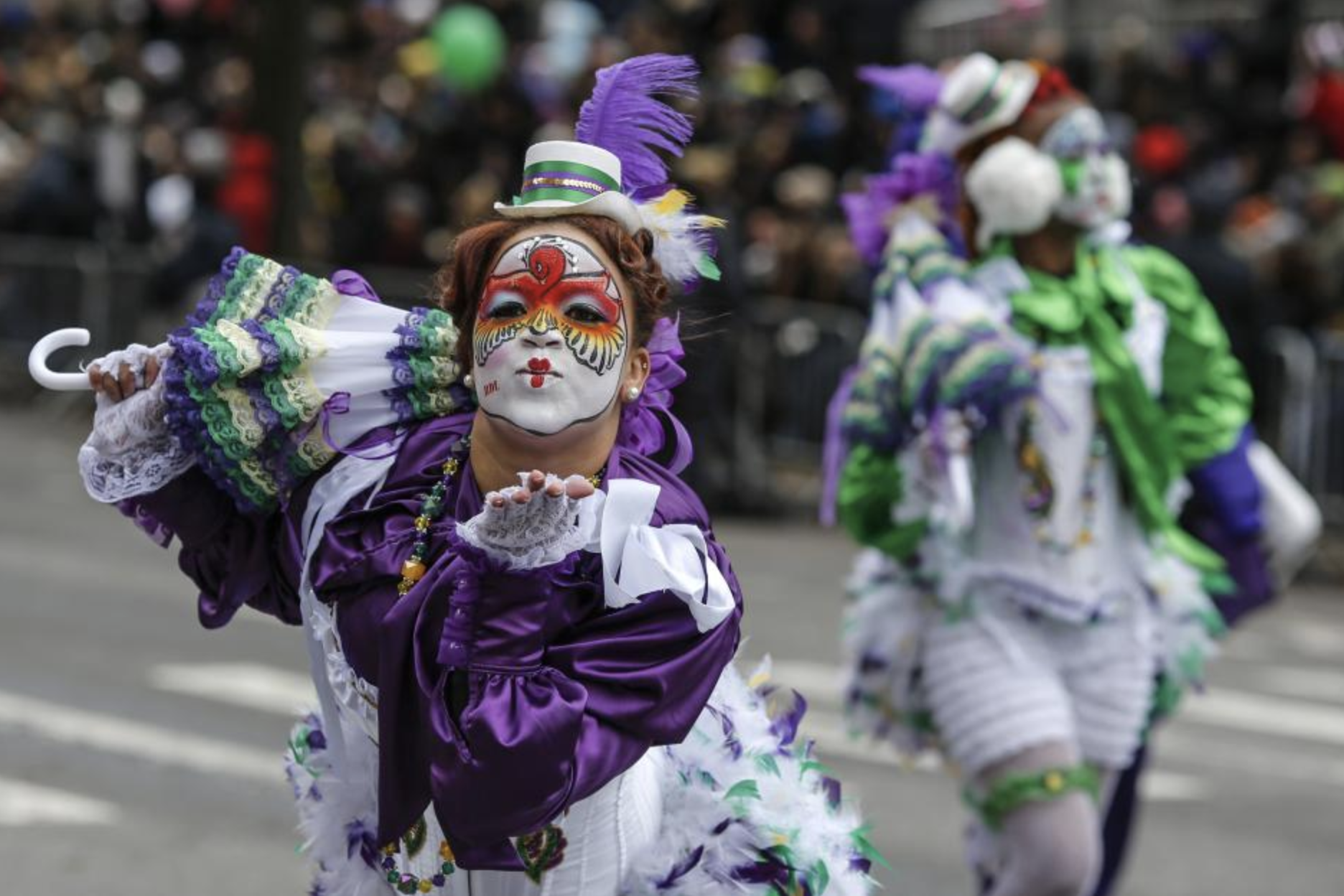
The Baby Doll tradition of New Orleans is a lesser-known yet vibrant part of the city’s rich cultural tapestry. Originating in the early 20th century, this tradition is characterized by women dressing in elaborately decorated baby doll costumes and parading through the streets during Mardi Gras. The Baby Doll Ladies are more than just a spectacle; they are a testament to the resilience, creativity, and cultural expression of African American women in New Orleans. This article delves into the legacy of the Baby Doll Ladies, exploring their historical significance, cultural impact, and ongoing influence in the community.
Historical Roots of the Baby Doll Tradition
The Baby Doll tradition began in the 1910s as a response to racial and gender barriers that excluded African American women from mainstream Mardi Gras activities. These women formed their own groups, donning baby doll costumes that were both playful and defiant. This attire was a form of protest against societal norms and provided a platform for self-expression and empowerment.
– Originated in the Treme neighborhood of New Orleans.
– Served as a form of social protest and cultural assertion.
– Enabled women to claim space in public celebrations traditionally dominated by men.
The Cultural Significance and Influence
The legacy of the Baby Doll Ladies is deeply woven into the cultural fabric of New Orleans, influencing various aspects of the city’s music, dance, and art. Their presence during Mardi Gras celebrations has become a symbol of cultural pride and resilience.
Music and Dance
The Baby Doll Ladies are renowned for their energetic dances and lively music, often performed with brass bands. This vibrant display is not only entertaining but also serves to preserve the musical heritage of New Orleans.
– Incorporates traditional jazz and brass band music.
– Influenced the development of other dance styles and cultural expressions.
– Offers a platform for local musicians and performers to showcase their talent.
Art and Fashion
The distinctive costumes of the Baby Doll Ladies have inspired fashion designers and artists, both locally and internationally. Their elaborate outfits, characterized by bright colors and intricate designs, are a testament to the creativity and artistry of the community.
– Costumes often feature handmade embellishments and unique designs.
– Their style has been featured in fashion shows and art exhibitions.
– Continues to inspire new generations of artists and designers.
Preserving the Legacy
Efforts to preserve and promote the Baby Doll tradition are ongoing, with various organizations and individuals dedicated to keeping this vibrant culture alive. Among these efforts, the New Orleans Society of Dance plays a pivotal role in sustaining and celebrating the Baby Doll legacy. Discover expert strategies here to learn more about how these traditions are being kept alive.
– Educational programs and workshops are offered to teach younger generations about the history and significance of the Baby Doll tradition.
– Annual events and parades showcase the talents and creativity of the Baby Doll Ladies.
– Community initiatives and collaborations help foster a deeper understanding and appreciation of this unique cultural expression.
Continuing the Tradition
The Baby Doll tradition continues to evolve, adapting to the changing social and cultural landscape while maintaining its core values of empowerment and cultural pride. The efforts of dedicated individuals and organizations ensure that the legacy of the Baby Doll Ladies will endure for future generations, enriching the cultural diversity of New Orleans.
For those interested in delving deeper into the Baby Doll tradition and its contemporary relevance, resources and community events offer a wealth of information and inspiration. Explore advanced guides and tips to gain insights into how this tradition can be appreciated and celebrated by all.
In conclusion, the Baby Doll Ladies of New Orleans represent a unique and vital aspect of the city’s cultural heritage. Their story is one of resilience, creativity, and empowerment, serving as an inspiration for those who strive to preserve and celebrate cultural traditions. By exploring their legacy, one can gain a deeper appreciation for the rich cultural tapestry that makes New Orleans a city unlike any other.