Achieving noticeable muscle growth is a combination of consistent training, proper nutrition, and strategic supplementation. While a solid workout routine lays the foundation, the right supplements can accelerate recovery, enhance protein synthesis, and provide the nutrients that are difficult to obtain in sufficient quantities from food alone. This guide outlines the most effective supplements for muscle hypertrophy, explains how they work, and offers practical tips for incorporating them into a daily regimen.
Why Supplementation Matters for Muscle Development
Muscle tissue responds to the stresses placed upon it, but the repair and growth processes rely heavily on the availability of amino acids, energy substrates, and hormonal support. When diet alone falls short, whether due to time constraints, calorie targets, or food preferences, supplements fill the gaps, ensuring that the body has the building blocks it needs to rebuild stronger fibers after each training session.
Core Supplements for Maximizing Hypertrophy
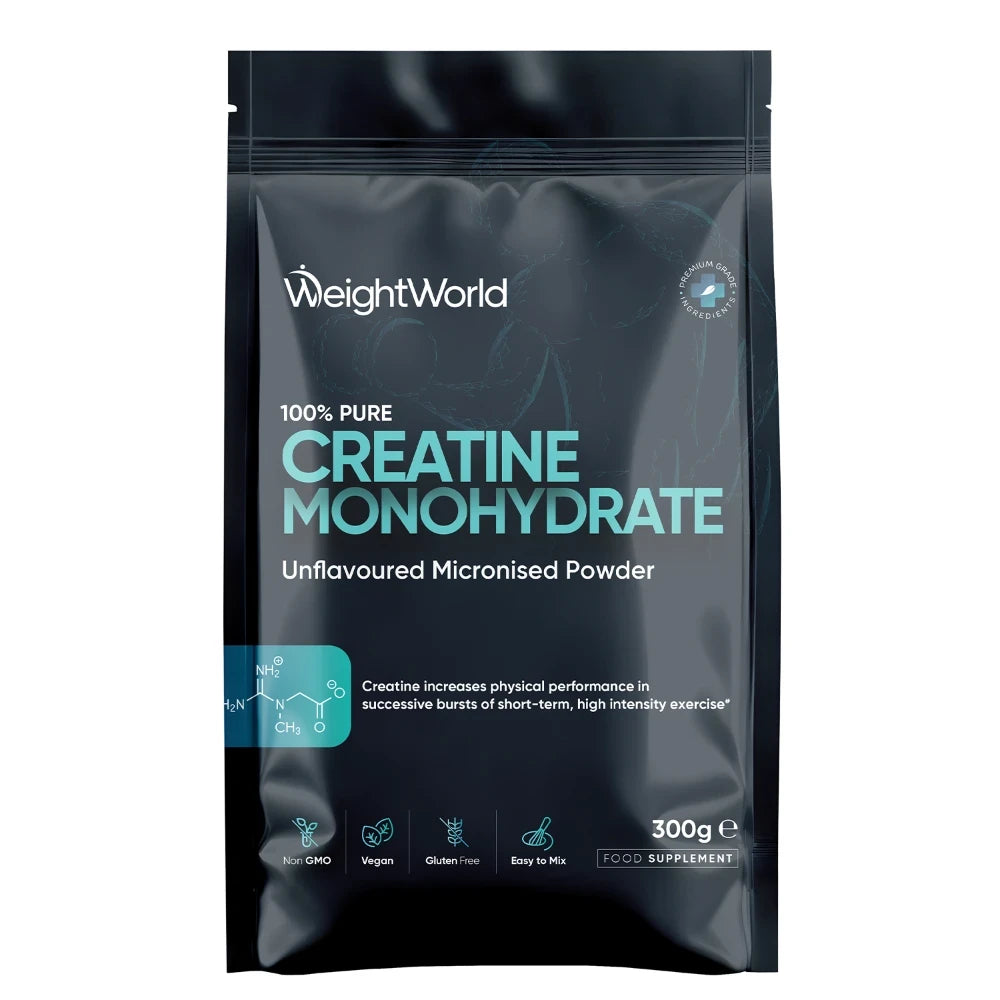
1. Creatine Monohydrate
Creatine is one of the most researched and proven performance enhancers. It increases phosphocreatine stores in muscle cells, allowing for rapid ATP regeneration during high-intensity efforts. Benefits include:
- Improved strength and power output
- Greater training volume, leading to more muscle stimulus
- Enhanced cellular hydration, which can promote protein synthesis
Typical dosing starts with a 5-gram daily maintenance dose, with an optional loading phase of 20″?grams split into four servings for the first 5-7 days.
2. Whey Protein Isolate
Whey protein delivers a fast-digesting source of high-quality protein rich in essential amino acids, particularly leucine, which triggers the mTOR pathway, a key regulator of muscle growth. Consider these points:
- Consume 20-30″?g within 30-60 minutes post-workout for optimal muscle protein synthesis.
- Choose an isolate if you need lower lactose content or a higher protein-to-calorie ratio.
- Pair with carbohydrates for a more pronounced insulin response, further aiding nutrient delivery to muscles.
3. Beta-Alanine
Beta-alanine raises intramuscular carnosine levels, buffering acidity that builds up during intense effort. This delay in fatigue allows for longer, more productive sets.
- Effective dose: 3-6″?g per day, split into smaller portions to avoid paresthesia.
- Best taken with meals or combined with other pre-workout ingredients.
4. Branched-Chain Amino Acids (BCAAs)
While whole-protein sources are generally superior, BCAAs can be useful during prolonged training sessions or when total protein intake is limited.
- Leucine: 2-3″?g per serving is the primary driver of muscle protein synthesis.
- Useful for preserving lean mass during calorie deficits.
Supplement Stacks That Work
Combining complementary supplements can create a synergistic effect, maximizing each component’s benefits.
- Creatine + Whey Protein: Supports both strength gains and recovery.
- Beta-Alanine + Caffeine: Enhances endurance while maintaining focus.
- Whey Protein + BCAAs: Provides immediate amino acids during workouts and sustained delivery afterward.
For those seeking a comprehensive solution, the best muscle supplements collection offers pre-formulated stacks that incorporate these key ingredients in scientifically backed ratios.
Choosing the Right Products
When evaluating supplements, consider the following criteria to ensure quality and efficacy:
- Third-party testing: Look for certifications such as Informed-Sport or NSF to verify purity.
- Ingredient transparency: Manufacturers should list exact dosages per serving.
- Formulation purpose: Select products tailored to your specific goal, strength, size, endurance, or recovery.
Brands that prioritize rigorous testing and clear labeling tend to deliver more reliable results, aligning with the standards expected from the best supplements for building muscle.
Timing and Dosage Strategies
Optimal timing can enhance the impact of each supplement:
- Pre-workout (30-45 minutes before): Beta-alanine, caffeine, and a small dose of whey if training fasted.
- Intra-workout: BCAAs or a carbohydrate-protein blend for prolonged sessions.
- Post-workout (within 60 minutes): Whey protein + creatine to replenish stores and stimulate synthesis.
- Daily maintenance: Creatine, multivitamins, and omega-3 fatty acids to support overall health.
Potential Side Effects and Safety Considerations
Most muscle-building supplements are safe for healthy adults when used as directed, but awareness of possible reactions is important:
- Creatine: May cause mild gastrointestinal discomfort; staying well-hydrated mitigates this.
- Beta-alanine: Can produce a harmless tingling sensation (paresthesia) at high single doses.
- Whey protein: Individuals with lactose intolerance should opt for isolate or plant-based alternatives.
Consulting a healthcare professional before starting any new supplement regimen is advisable, especially for those with pre-existing medical conditions or who are taking medication.
Putting It All Together: A Sample Daily Plan
Below is a practical example of how to integrate the highlighted supplements into a typical training day:
- 7:00″?AM – Breakfast: 30″?g whey protein isolate mixed with water, 5″?g creatine, and a multivitamin.
- 10:00″?AM – Mid-morning snack: 5″?g beta-alanine (split dose).
- 12:30″?PM – Pre-workout: 3″?g beta-alanine, 200″?mg caffeine, and 5″?g creatine.
- 1:00″?PM – Training session: Sip on BCAA drink during lifts.
- 2:00″?PM – Post-workout: 30″?g whey protein + 5″?g creatine, plus a fast-acting carbohydrate source.
- 6:00″?PM – Dinner: Balanced meal with lean protein, complex carbs, and healthy fats.
- 9:00″?PM – Nighttime: 5″?g casein protein (optional) for sustained amino acid release.
Final Thoughts
Strategic supplementation is a powerful tool for anyone serious about building muscle. By selecting high-quality products, timing intake to align with training demands, and maintaining a solid nutrition and workout foundation, noticeable gains can be achieved more efficiently. Remember that supplements enhance, not replace, the fundamentals of progressive overload, adequate calorie intake, and sufficient rest. With the right approach, the path to stronger, larger muscles becomes clearer and more attainable.