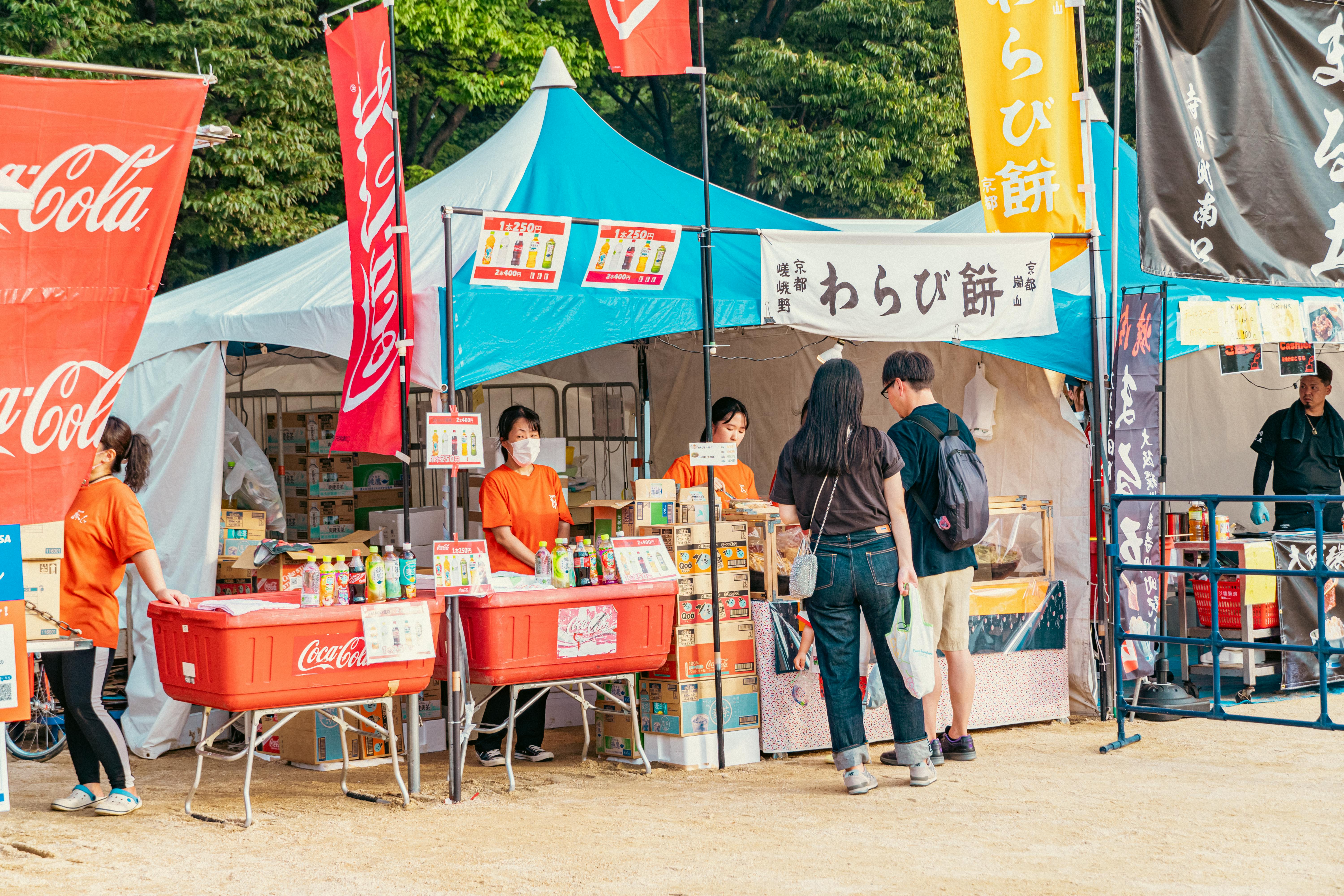
Outdoor areas have become extensions of living and working spaces, offering opportunities for entertainment, relaxation, and productivity. Yet, weather fluctuations, UV exposure, and limited shade often restrict the full potential of these environments. Custom tents provide a versatile solution, merging functionality with aesthetic appeal to transform any open-air setting into a comfortable, usable zone. By selecting the right design, materials, and accessories, property owners can protect guests, showcase branding, and maximize square footage without permanent construction.
Why Choose Custom Tents for Outdoor Spaces
Investing in a tailored tent system delivers several practical benefits that generic, off-the-shelf options cannot match:
- Adaptability: Sizes, shapes, and configurations can be adjusted to fit irregular footprints or specific event requirements.
- Durability: High-grade fabrics and reinforced frames withstand wind, rain, and intense sunlight, extending the lifespan of the installation.
- Brand Integration: Custom graphics, colors, and lighting allow seamless incorporation of corporate identity or thematic d??cor.
- Cost-Effectiveness: Compared with permanent structures, tents provide a lower-initial-investment solution that can be re-configured as needs evolve.
Key Design Considerations
1. Structural Framework
The backbone of any tent is its frame. Aluminum and steel are the most common choices, each offering distinct advantages:
- Aluminum: Lightweight, corrosion-resistant, and easy to assemble, ideal for temporary events.
- Steel: Heavier but provides superior load-bearing capacity for large-scale installations.
When planning a permanent or semi-permanent outdoor space, evaluating wind load ratings and local building codes is essential. Detailed specifications can be found in technical guides Discover expert strategies here.
2. Fabric Selection
Fabric performance directly impacts comfort and longevity. Consider the following options:
- Polyester with PVC coating: Offers water resistance, UV protection, and easy cleaning.
- Vinyl: Highly durable, suitable for high-traffic areas, but heavier and less breathable.
- Canvas (treated): Provides a natural aesthetic with good breathability; requires periodic maintenance.
Choosing the right material often depends on climate, usage frequency, and aesthetic goals. For a deeper dive into material science, Learn about our tailored solutions.
3. Size and Layout
Accurate measurement of the intended footprint prevents costly adjustments later. Follow these steps:
- Map the perimeter of the area, noting any obstructions such as trees, utility lines, or existing structures.
- Determine the required clearance for foot traffic, seating, and equipment.
- Choose a modular design that allows future expansion or re-configuration.
Many designers provide 3-D visualization tools that help stakeholders visualize the final setup. To explore visual planning resources, Explore advanced guides and tips.
Enhancing Functionality with Accessories
Custom tents become more than just shelter when equipped with the right accessories. Below are common add-ons that elevate usability:
- Sidewalls & Curtains: Offer additional weather protection and privacy while allowing controlled airflow.
- Lighting Systems: LED strips, chandeliers, or ambient uplighting create mood and improve safety after dark.
- Flooring Solutions: Interlocking tiles or raised platforms provide a stable surface and improve drainage.
- Heating & Cooling Units: Portable heaters or evaporative coolers maintain comfortable temperatures year-round.
- Branding Elements: Custom printed banners, flags, or backdrops reinforce brand visibility without intrusive signage.
Integrating these components should align with the overall design language and functional goals of the space. For a comprehensive list of compatible accessories, Find out more about this approach.
Installation and Maintenance Best Practices
Proper installation ensures safety and prolongs the life of the tent. Follow these guidelines:
- Professional Assembly: Engage experienced installers who understand tensioning techniques and anchoring requirements.
- Regular Inspections: Check seams, fasteners, and support legs weekly, especially after severe weather.
- Cleaning Protocols: Use mild detergents and soft brushes; avoid high-pressure washing that can damage coatings.
- Seasonal Storage: When the tent is not in use for extended periods, store it in a dry environment to prevent mold and material degradation.
Adhering to these practices minimizes downtime and safeguards the investment. Detailed maintenance schedules are often included in manufacturer documentation, which can be accessed through the same resource hub Discover expert strategies here.
Case Studies: Real-World Applications
Several industries have leveraged custom tents to solve unique challenges:
Event Venues
Outdoor festivals require rapid setup and teardown. A modular tent system with interchangeable sidewalls allowed a regional music festival to expand its stage area by 30″?% while maintaining weather protection.
Corporate Campuses
A technology firm transformed a parking lot into a seasonal outdoor lounge. By integrating heated flooring and branded lighting, the space became a year-round employee amenity, boosting morale and onsite collaboration.
Retail Pop-Ups
Seasonal retailers used custom tents with high-visibility graphics to create eye-catching storefronts in high-traffic pedestrian zones, increasing footfall without committing to permanent construction.
Future Trends in Outdoor Tent Design
Innovation continues to shape the capabilities of custom tents. Emerging trends include:
- Smart Fabric Technology: Materials that adjust translucency based on sunlight intensity, reducing glare while conserving energy.
- Integrated Solar Panels: Powering lighting and HVAC systems directly from the tent’s roof surface.
- Modular Robotics: Automated tensioning systems that adapt to wind conditions in real time.
- Sustainable Materials: Recycled polyester and bio-based coatings lower environmental impact without sacrificing performance.
Staying informed about these developments helps decision-makers select solutions that remain relevant for years to come. For ongoing updates and expert commentary, Explore advanced guides and tips.
Conclusion
Custom tents offer a flexible, durable, and aesthetically versatile method for maximizing outdoor spaces across a range of applications. By carefully evaluating structural frameworks, fabric choices, size requirements, and accessory options, owners can create environments that are both functional and visually compelling. Regular maintenance and an eye toward emerging technologies ensure that the investment continues to deliver value long after installation. For a deeper exploration of product lines, design resources, and professional guidance, visiting the dedicated tent portal provides a wealth of information tailored to every need Learn about our tailored solutions..