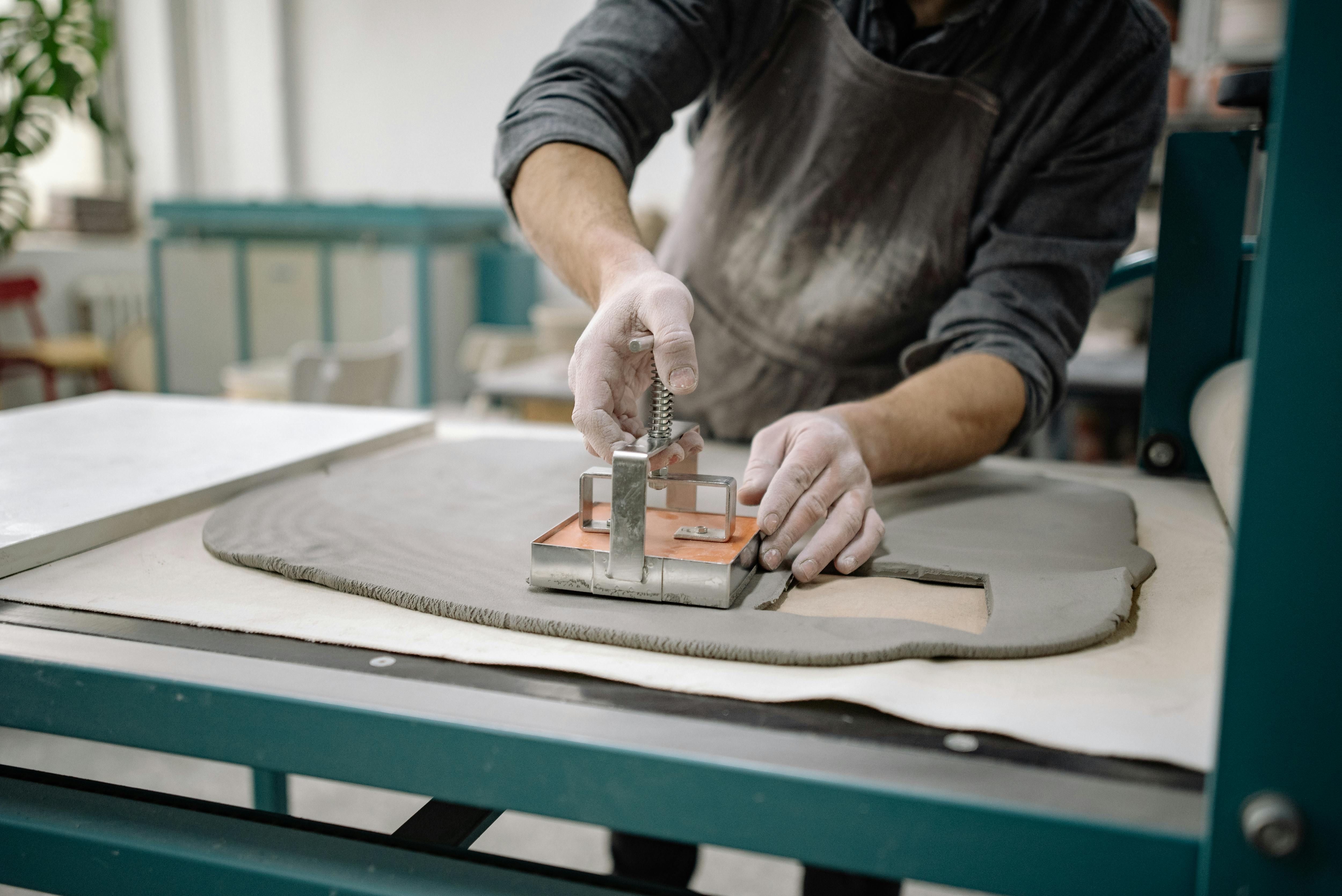
Compression moulding has become the cornerstone technique for converting carbon fibre composites into high-performance components used in aerospace, motorsport, and high-end sporting equipment. By applying heat and pressure simultaneously, this process achieves a dense, uniform part with excellent mechanical properties while maintaining the lightweight advantage of carbon fibre. Understanding the nuances of compression moulding carbon fibre, material selection, tooling design, and process optimisation, allows engineers to push the limits of strength-to-weight ratios, thermal stability, and fatigue resistance.
Why Compression Moulding Suits Carbon Fibre
The inherent characteristics of carbon fibre make it an ideal candidate for compression moulding:
- High fibre volume fraction: The process can accommodate up to 70 % fibre content, maximising stiffness.
- Controlled resin flow: Heat-activated resin systems cure uniformly under pressure, reducing voids.
- Repeatable tolerances: Precise mould dimensions ensure consistent part geometry across large production runs.
- Scalability: From single-piece prototypes to batch production, the method scales without sacrificing quality.
Key Process Steps
1. Material Preparation
Carbon fibre mats, fabrics, or pre-impregnated (prepreg) sheets are cut to the required shape. Prepregs offer superior control of fibre-resin ratios, while dry fabrics allow for in-situ resin injection.
2. Lay-up and Tooling
The prepared layers are placed into a precision-machined steel or aluminium mould. Proper placement avoids fibre misalignment, which could compromise structural integrity.
3. Heating and Pressurisation
The mould is closed and heated to the resin’s cure temperature (typically 120-180 °C). Simultaneous pressure, ranging from 5 to 30 bar, forces the resin to impregnate the fibres and eliminates air pockets.
4. Curing and Demoulding
After the prescribed dwell time, the part is cooled under pressure to prevent warping, then carefully demoulded. Post-cure heat treatment may be applied to enhance cross-linking and dimensional stability.
Design Considerations for High-Performance Applications
Achieving optimal performance requires attention to several design variables:
- Fiber orientation: Aligning fibres with principal load paths maximises tensile strength.
- Stack-up sequence: Alternating 0°, ±45°, and 90° plies balances stiffness and impact resistance.
- Tooling surface finish: A polished mould surface reduces part-to-mould adhesion, simplifying release.
- Ventilation channels: Proper vent placement allows trapped gases to escape, preventing void formation.
Quality Assurance and Testing
High-performance carbon fibre components demand rigorous inspection. Common techniques include:
- Ultrasonic C-scan for internal defect detection.
- Thermogravimetric analysis (TGA) to verify resin content.
- Four-point bending tests to assess flexural modulus.
- Digital image correlation (DIC) for strain mapping during load.
Integrating these methods into the production line ensures each part meets the stringent standards required by aerospace and motorsport sectors.
Advantages Over Alternative Moulding Methods
When compared with resin transfer moulding (RTM) or autoclave curing, compression moulding offers distinct benefits for carbon fibre:
- Shorter cycle times: Heat and pressure are applied simultaneously, reducing overall processing duration.
- Lower equipment cost: The machinery is less complex than autoclaves, making it accessible for mid-size manufacturers.
- Enhanced part density: The high pressure yields a lower porosity level, translating to superior mechanical performance.
Practical Implementation Tips
To extract the maximum potential from compression moulding carbon fibre, consider the following practical guidelines:
- Maintain consistent mould temperature across the entire cavity to avoid differential cure rates.
- Use a calibrated pressure sensor to monitor real-time pressure profiles during the cure.
- Implement a pre-heating step for dry fabrics to improve resin flow and wetting.
- Adopt a controlled cooling ramp to minimise residual stresses.
Further Learning and Resources
For a deeper dive into process optimisation, material selection, and tooling design, Discover expert strategies here. Additional insights on tailoring solutions for specific industries can be found by Learn about our tailored solutions. To stay updated with the latest advancements, Find out more about this approach.
Conclusion
Compression moulding carbon fibre delivers a compelling blend of strength, lightness, and repeatability that aligns perfectly with the demands of high-performance engineering. By mastering material preparation, precise tooling, and controlled processing parameters, manufacturers can produce components that meet the rigorous standards of aerospace, motorsport, and elite sports equipment. Continuous investment in quality assurance and knowledge sharing ensures that this technology remains at the forefront of composite innovation.