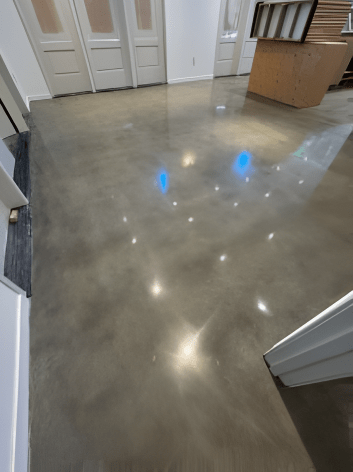
Transforming a plain slab into a striking, durable surface is now more attainable than ever thanks to advances in concrete staining. Whether renovating a commercial lobby, upgrading a residential garage, or adding visual interest to an outdoor patio, professional staining techniques can deliver a high-impact finish that mimics natural stone, slate, or even polished marble. The process combines chemistry, artistry, and precision application, resulting in a surface that not only looks elegant but also stands up to heavy traffic, spills, and everyday wear. This article explores the key benefits, the step-by-step workflow, and practical considerations for anyone looking to enhance their space with expertly applied stained concrete.
Why Choose Professional Stained Concrete?
While DIY kits are available, a seasoned contractor brings several advantages that ensure lasting quality and aesthetic appeal.
- Consistent Color Penetration: Professionals use high-performance dyes and acids that penetrate deep into the concrete matrix, producing uniform hues that won’t fade or wear unevenly.
- Surface Preparation Expertise: Proper grinding, cleaning, and repair of the substrate are critical. Skilled technicians know how to remove contaminants and address cracks before staining.
- Custom Design Options: From subtle earth tones to bold, vibrant patterns, experienced stainers can blend colors, create marbling effects, or incorporate logos and motifs.
- Durability and Maintenance: A correctly sealed stained floor resists moisture, UV exposure, and chemical spills, reducing long-term maintenance costs.
Understanding the Staining Process
1. Assessment & Planning
The first step involves evaluating the existing concrete for moisture content, porosity, and structural integrity. This assessment determines which type of stain, acid-based, water-based, or a hybrid, will achieve the desired look and performance. A detailed plan outlines color palettes, pattern layouts, and any required surface repairs.
2. Surface Preparation
Preparation is the foundation of a successful job. It typically includes:
- Grinding or shot-blasting to expose a clean, even surface.
- Vacuuming and wiping down the slab to eliminate dust and debris.
- Applying a concrete etcher or primer when needed to enhance stain absorption.
3. Application of Stain
Professional applicators use trowels, sprayers, or rollers to lay the stain, depending on the desired effect. Acid-based stains react chemically with the cement, creating variegated, translucent tones, while water-based stains offer opaque, vibrant colors. The technique may involve layering, blending, or spot-tinting to achieve depth and dimension.
4. Sealing and Finishing
After the stain cures (usually 24-48 hours), a high-quality sealant is applied. Sealers protect the color, enhance slip resistance, and add a sheen ranging from matte to high-gloss. For areas with heavy foot traffic, a polyurethane or epoxy topcoat may be recommended.
Key Benefits of Stained Concrete Floors
- Cost-Effective Aesthetics: Compared with natural stone or tile, stained concrete delivers comparable visual impact at a fraction of the cost.
- Fast Installation: Most projects are completed within a few days, minimizing disruption to business or household routines.
- Eco-Friendly Solution: Utilizing existing concrete reduces material waste and the carbon footprint associated with new flooring installations.
- Versatility: Suitable for interior and exterior applications, including warehouses, retail spaces, patios, and driveways.
Choosing the Right Concrete Staining Services
When selecting a contractor, consider the following criteria to ensure a high-quality outcome:
- Portfolio Review: Look for examples of stained concrete floors that match the desired style.
- Certification and Experience: Verify that technicians are trained in both acid and water-based staining methods.
- Material Transparency: Reputable providers disclose the brands and types of stains and sealers used.
- Warranty Coverage: A solid warranty reflects confidence in the durability of the finish.
Maintenance Tips for Longevity
Proper care extends the life and appearance of a stained surface.
- Regularly sweep or vacuum to prevent grit from scratching the seal.
- Use pH-neutral cleaners; avoid harsh acids or abrasive scrubbing pads.
- Reapply a sealant every 2-3 years in high-traffic areas, or as recommended by the installer.
- Promptly address spills, especially oil or chemicals, to avoid staining the stain itself.
Creative Applications of Decorative Concrete Staining
Beyond standard flooring, stained concrete can enhance a variety of architectural elements:
- Countertops and Work Surfaces: Provides a seamless, hygienic surface with a custom look.
- Outdoor Walkways: Adds slip-resistant texture while mimicking natural stone.
- Industrial Aesthetics: Combines rugged durability with sleek, modern hues for lofts and warehouses.
- Artistic Murals: Large-scale designs can be painted directly onto concrete walls for a striking visual impact.
Final Thoughts
Professional concrete floor staining offers a powerful blend of functionality and design, turning ordinary slabs into sophisticated surfaces that endure. By partnering with experienced specialists, property owners can achieve a tailored finish that aligns with architectural vision, budget constraints, and long-term performance goals. Whether the aim is subtle elegance or bold statement, stained concrete stands as a versatile, cost-effective solution that truly transforms any space.