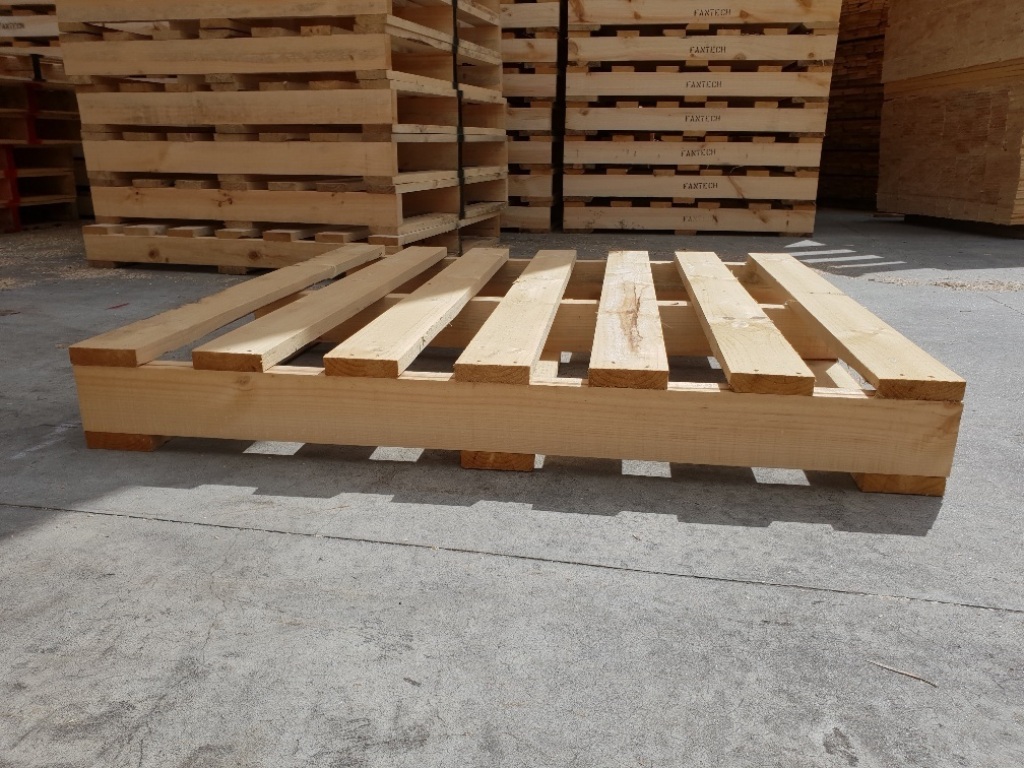
Pallets are an essential component in the logistics and supply chain industry, providing a stable base for the storage and transportation of goods. Among the various types available, standard pallets stand out due to their widespread use and adaptability. Understanding the nuances of standard pallets, including their sizes, materials, and applications, can significantly enhance logistical operations and efficiency. This guide delves into the critical aspects of standard pallets, offering insights into their diverse applications across industries.
Standard Pallet Sizes
The size of a pallet can greatly influence its compatibility with different racking systems and transport vehicles. Standard pallet sizes vary globally, with some of the most common dimensions being:
- 48×40 inches: Predominantly used in North America, this size is favored for its compatibility with most warehouse systems and transportation methods.
- 1200×1000 mm: Common in Europe, this size is considered the ISO standard, catering to a broad range of industries.
- 1165×1165 mm: Standard in Australia, this size is tailored to meet the needs of the local market, especially relevant in the distribution of goods within the region.
These sizes are designed to optimize space usage in shipping containers and trucks, ensuring maximum efficiency during transportation. When selecting a pallet size, it is crucial to consider the specific logistical requirements of the operation.
Materials Used in Standard Pallets
The material composition of a pallet directly impacts its durability, weight, and environmental footprint. Common materials used in standard pallets include:
- Wood: The most traditional choice, wooden pallets offer a balance of durability and cost-effectiveness. They can be recycled and repaired, making them a sustainable option.
- Plastic: Known for their resistance to moisture and chemicals, plastic pallets are ideal for industries that require high cleanliness standards, such as food and pharmaceuticals.
- Metal: Typically used in heavy-duty applications, metal pallets offer superior strength and longevity but come at a higher cost.
The choice of material should align with the specific requirements of the goods being transported, as well as environmental and budgetary considerations.
Common Uses of Standard Pallets
Standard pallets are utilized across numerous industries, thanks to their versatility and ease of handling. Some common applications include:
- Warehouse Storage: Pallets enable efficient stacking and storage of goods, optimizing space within warehouses.
- Transport and Shipping: Pallets facilitate the safe and organized transport of goods, reducing the risk of damage during transit.
- Retail Displays: In retail settings, pallets are often used to create displays, allowing for easy movement and restocking of products.
The adaptability of standard pallets to various applications underscores their importance in modern logistics. By choosing the appropriate pallet type for the intended use, businesses can enhance operational efficiency and reduce costs.
Conclusion
Understanding the intricacies of standard pallets, from their sizes and materials to their diverse uses, is crucial for optimizing logistical operations. By selecting the right pallet type, businesses can ensure efficient storage, transportation, and handling of goods, ultimately contributing to a streamlined supply chain. As industries continue to evolve, the role of pallets in facilitating global trade remains indispensable.