In the rapidly evolving business landscape, organizations are continuously seeking ways to enhance efficiency and streamline operations. One of the transformative technologies that has emerged to address these needs is intelligent document processing (IDP). By leveraging sophisticated algorithms and artificial intelligence, IDP is revolutionizing how businesses handle large volumes of documents. This approach not only increases accuracy but also significantly reduces manual intervention, allowing organizations to allocate resources more effectively and focus on strategic objectives.
Understanding Intelligent Document Processing
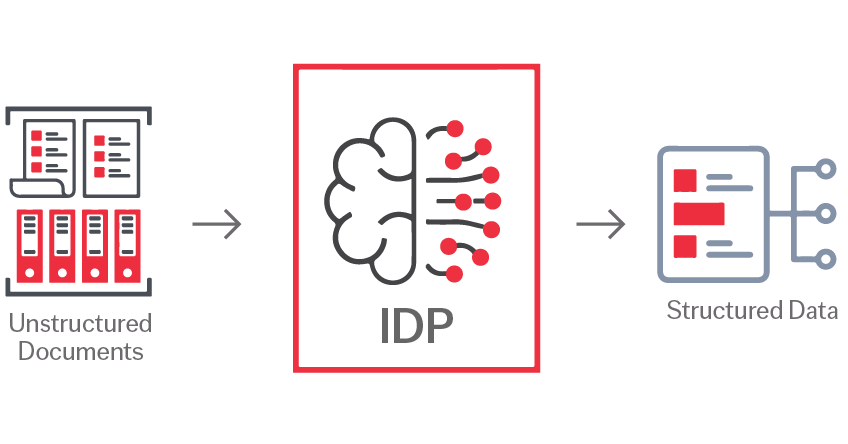
Intelligent document processing is a technology that automates the extraction of data from documents, converting unstructured data into structured formats. This technology is especially crucial for industries dealing with extensive documentation such as finance, healthcare, and legal sectors. The core components of IDP include:
- Optical Character Recognition (OCR)
- Machine Learning and Artificial Intelligence
- Natural Language Processing (NLP)
- Robotic Process Automation (RPA)
Enhancing Operational Efficiency
Reduction in Manual Errors
By implementing intelligent document processing, businesses can drastically reduce human errors that occur during manual data entry. The technology ensures high accuracy in data extraction, which is critical in sensitive fields such as finance and healthcare where data accuracy is paramount.
Faster Processing Times
IDP significantly cuts down the time required to process documents. Automated data extraction is much faster than manual processing, allowing organizations to handle larger volumes of documents in shorter time frames. This is particularly beneficial during peak periods or when dealing with time-sensitive information.
Cost Savings
Implementing AI-driven document processing can lead to substantial cost savings. By reducing the dependency on manual labor, organizations can lower operational costs. Additionally, with the capability to process documents more swiftly, businesses can reallocate resources to more value-added activities, further optimizing financial outcomes.
Improved Data Management
Intelligent document processing allows for better data management by converting unstructured data into a structured format that can be easily integrated with existing business systems. This enhances data accessibility and usability, enabling more informed decision-making processes. Moreover, AI document processing facilitates better compliance with data regulations by ensuring data accuracy and security.
Scalability and Flexibility
The scalability of IDP solutions means that businesses can easily adapt to increasing volumes of documents without a proportional increase in resources. This flexibility is crucial for growing organizations that need to manage data efficiently as they scale. Additionally, the technology can be customized to fit the specific needs of different industries or departments, providing tailored solutions that enhance overall productivity.
Conclusion
The integration of intelligent document processing into business operations represents a significant step forward in achieving operational efficiency and accuracy. By automating the tedious and error-prone task of data extraction, organizations can focus on strategic growth and innovation. As businesses continue to seek competitive advantages, embracing technologies like IDP will be pivotal in driving success and maintaining relevance in an increasingly digital world.