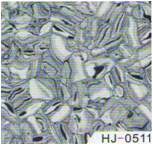
In environments where electronic components are handled, the risk of electrostatic discharge (ESD) can lead to significant damage, affecting productivity and financial outcomes. Conductive rubber tiles serve as an effective solution to prevent such occurrences on floors, offering a reliable means to dissipate static electricity safely. This article explores how these tiles function, their benefits, and their role in safeguarding sensitive electronic equipment.
Understanding Electrostatic Discharge
Electrostatic discharge is a sudden flow of electricity between two electrically charged objects. Commonly experienced as a mild shock, ESD can have serious consequences in industrial settings, especially where sensitive electronic components are involved. Effective ESD prevention is crucial to maintaining operational integrity and avoiding costly damage.
The Role of Floors in ESD Control
Floors are often overlooked as a source of static buildup. However, they play a significant role in the generation and dissipation of static electricity. By providing a controlled path for electrical discharge, conductive flooring solutions help mitigate ESD risks.
How Conductive Rubber Tiles Work
Conductive rubber tiles are designed with materials that allow electricity to flow through them, effectively grounding static electricity and preventing ESD. These tiles are embedded with conductive particles that facilitate the safe transfer of static charges to the ground.
- Material Composition: Conductive rubber tiles are manufactured using polymers mixed with conductive fillers, creating a durable and effective ESD control solution.
- Installation Process: These tiles are easy to install and can be integrated into various flooring layouts, providing flexibility in application.
- Maintenance: Simple cleaning routines ensure the long-term effectiveness of conductive rubber tiles in managing ESD.
Benefits of Using Conductive Rubber Tiles
Implementing conductive rubber tiles in environments prone to ESD offers several advantages, enhancing both safety and operational efficiency.
- Enhanced Safety: By reducing the risk of electrostatic discharge, these tiles protect personnel and equipment from potential hazards.
- Cost Efficiency: Preventing ESD-related damages can save significant costs associated with repairs and replacements.
- Durability: Conductive rubber tiles are designed to withstand the rigors of industrial environments, ensuring long-lasting performance.
Discover expert strategies here to maximize the benefits of conductive flooring.
Applications of Conductive Rubber Tiles
These tiles are versatile and can be applied in various settings where ESD is a concern, such as:
- Electronics Manufacturing: Ensures the safety of sensitive components during the production process.
- Data Centers: Protects data integrity by preventing static-induced malfunctions.
- Pharmaceuticals: Maintains a contamination-free environment by controlling static.
Explore advanced guides and tips for implementing these solutions in specific environments.
Conclusion
Conductive rubber tiles represent a critical component in the strategy to control electrostatic discharge in sensitive environments. Their role in protecting electronic components, ensuring operational efficiency, and enhancing safety cannot be overstated. For more detailed insights into tailored solutions, learn about our tailored solutions and find out more about this approach to ESD management.